Are E-Cigarettes a Healthy Way to Quit Smoking?
Smoking cessation is a global health priority, and electronic cigarettes have burst onto the scene as a modern alternative for those looking to quit. But the question persists: are e cigarettes a healthy way to quit smoking? It’s an issue that touches millions, from individual smokers weighing their options to public health officials grappling with regulatory policies. Understanding how e-cigarettes fit into the big picture can steer healthier decisions worldwide.
Why This Matters Globally
According to the World Health Organization, tobacco kills more than 8 million people annually. Traditional cigarettes are linked to multiple diseases, so safer alternatives are desperately needed. E-cigarettes entered markets as a less harmful substitute — but with controversies, conflicting studies, and varying regulations across countries. Fully grasping whether e-cigarettes can genuinely aid cessation efforts without posing new health risks affects billions of lives. Additionally, with smoking rates in some regions still high, any effective tool matters profoundly.
Mini takeaway: The global smoking crisis demands solutions, and e-cigarettes remain a promising yet debated tool in harm reduction strategies worldwide.
Defining E-Cigarettes and Their Role in Quitting
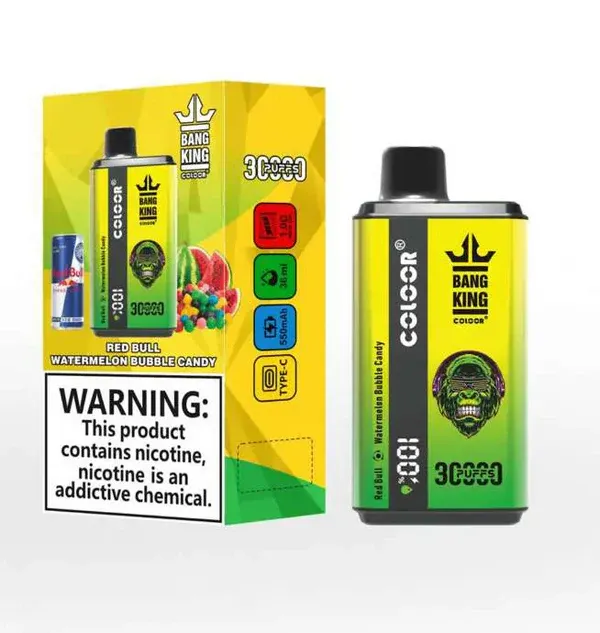
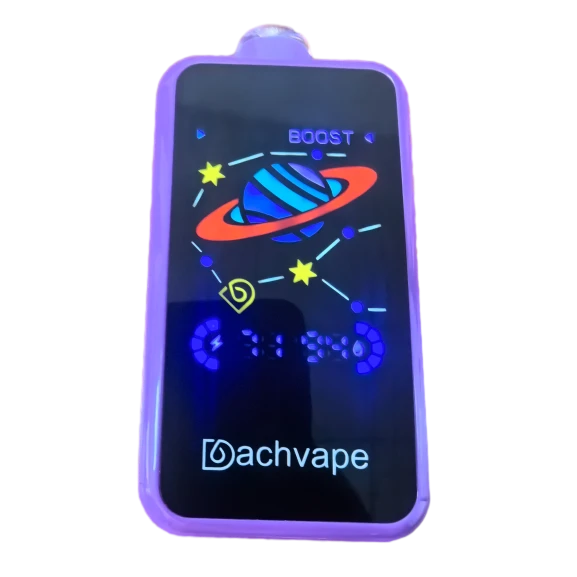
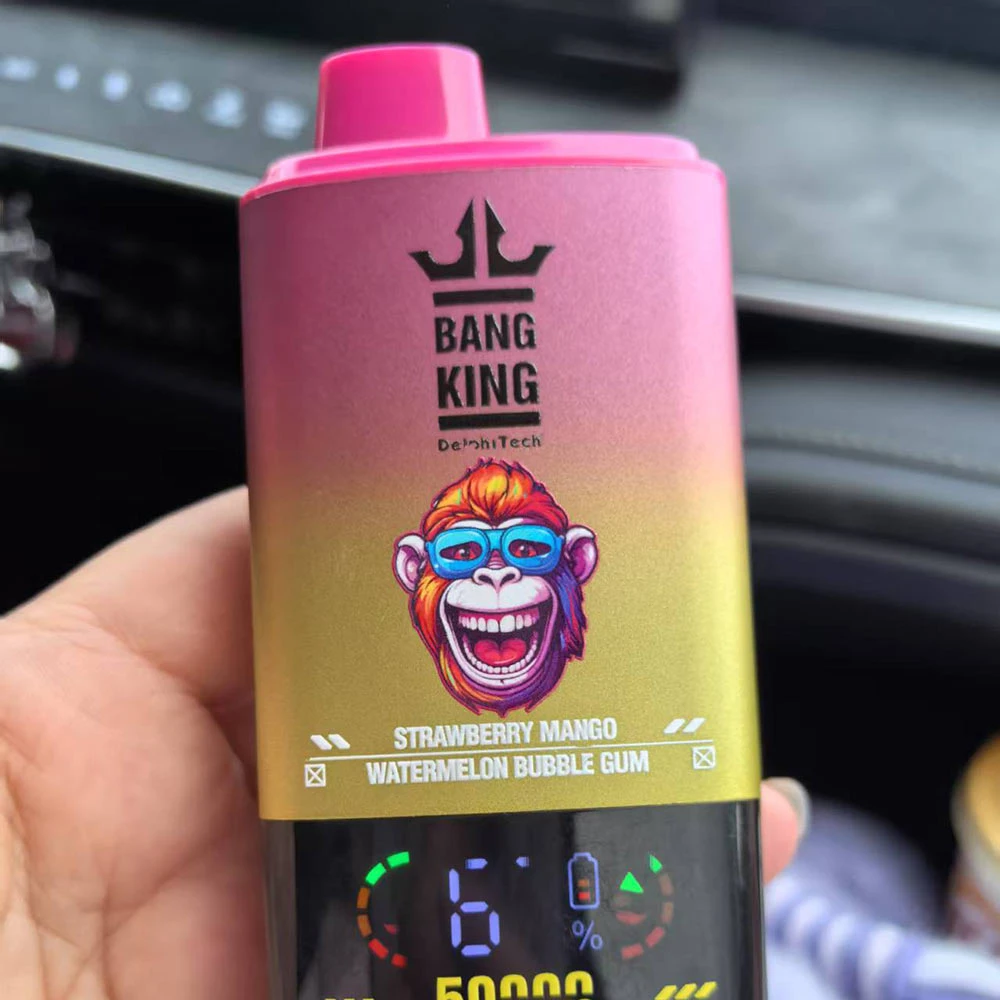
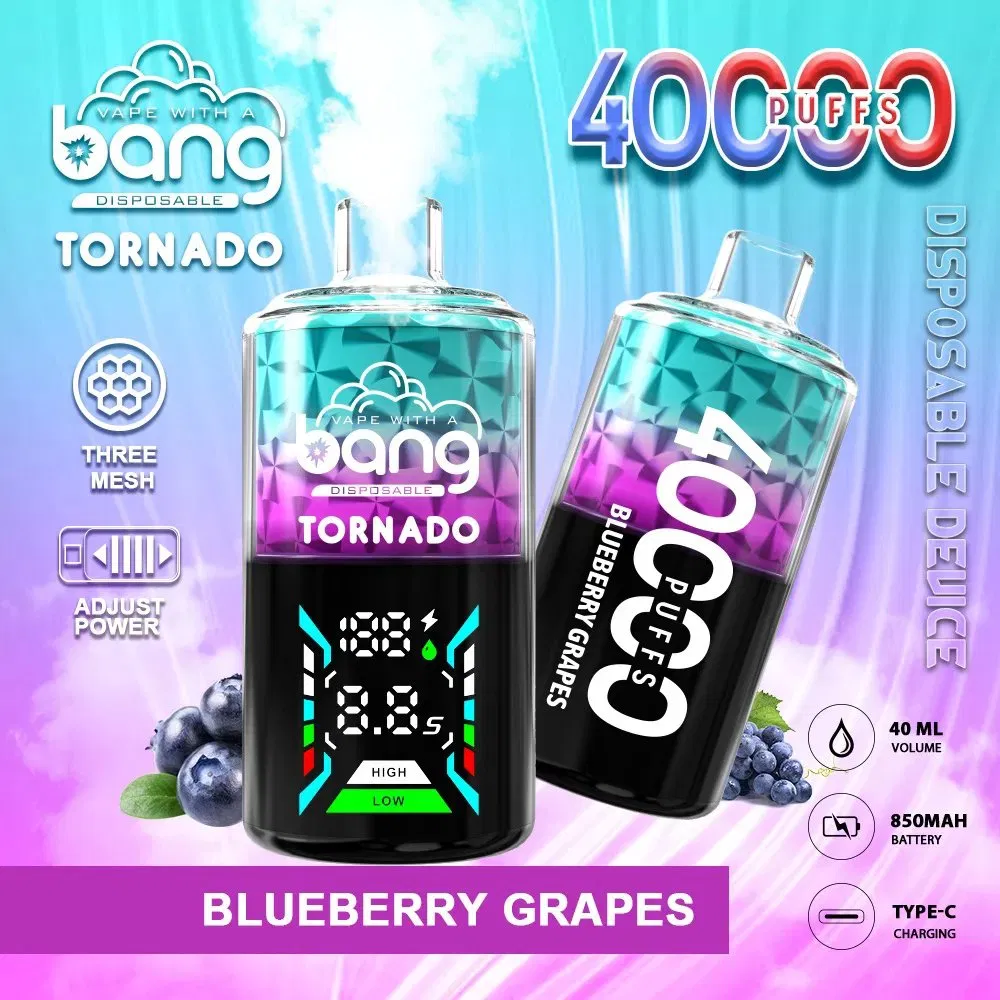
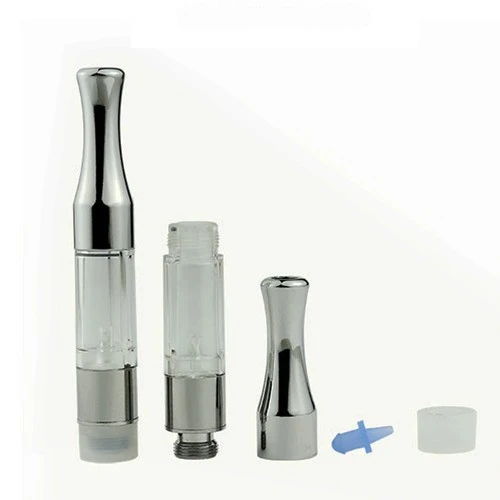
Put simply, e-cigarettes are battery-powered devices that vaporize a liquid solution, often containing nicotine, flavorings, and other chemicals. They mimic the act of smoking without burning tobacco, theoretically reducing exposure to harmful tar and combustion toxins. Some users turn to e-cigarettes intending to taper off nicotine or switch entirely, viewing them as harm-reduction stepping stones.
In the context of public health and tobacco control, e-cigarettes occupy a complex space. They link to modern industry innovations — notably in battery tech and chemical formulation — and humanitarian needs, such as improving population health and reducing disease burdens from smoking.
Core Factors Influencing E-Cigarettes as a Quitting Aid
Nicotine Delivery and User Experience
The effectiveness of e-cigarettes depends heavily on how well they deliver nicotine to satisfy cravings. Devices vary from simple "cigalikes" to advanced pod systems with customizable settings. A smooth, satisfying experience is critical to prevent relapse to traditional smoking.
Health Risk Comparison
While not risk-free, e-cigarettes generally contain fewer toxic chemicals than combustible cigarettes. However, unknowns remain about long-term inhalation of vaporized substances and potential respiratory impacts.
Behavioral Replacement Mechanics
Smoking is a deeply ingrained habit, combining physical addiction and behavioral cues. E-cigarettes mimic hand-to-mouth movements and visible vapor exhalation, which many users find psychologically comforting during cessation.
Regulatory Environment and Safety Standards
Different countries regulate e-cigarettes in divergent ways. Standards around quality, nicotine limits, advertising, and youth access all influence how safe and effective these products can be on a broad scale.
Accessibility and Affordability
Economic factors affect whether smokers can switch. Cost of devices, refills, and local availability play a role in successful transitions from traditional cigarettes.
Mini takeaway: Nicotine satisfaction, reduced toxic harm, behavioral replacement, regulation, and cost all combine to shape e-cigarettes’ role in quitting smoking.
Global Applications and Real-World Use Cases
In the UK, Public Health England notably supports e-cigarettes as part of cessation programs, citing evidence they are less harmful than smoking. Meanwhile, in the US, the FDA has granted market access to select e-cig brands marketed specifically for adult smokers.
On the flip side, countries like Brazil and India have banned e-cigarettes outright due to health concerns and fears of youth uptake. In emerging markets, informal distribution channels complicate regulation and safety.
Hospitals, cessation clinics, and community health initiatives have integrated e-cigarettes as quit-smoking tools, though expert opinions vary. It’s also interesting how some workplaces either prohibit them outright or designate special vaping areas.
Mini takeaway: Global adoption of e-cigarettes for quitting smoking is a patchwork—ranging from supportive harm reduction programs to strict bans depending on cultural and regulatory contexts.
Advantages and Long-Term Value of E-cigarettes for Smoking Cessation
- Reduced Exposure to Harmful Chemicals: E-cigarettes avoid combustion, lowering intake of carcinogens and irritants.
- Behavioral Satisfaction: Mimicking smoking rituals aids psychological withdrawal symptoms.
- Potential Cost Savings: Especially when switching completely, some users save money over buying cigarettes regularly.
- Social Impact: Reduced smoke exposure protects bystanders, improving public spaces.
- Innovation and Personalization: Users can select flavors, nicotine strengths, and devices matching preferences, helping tailor quit attempts.
Emotionally, many users appreciate the idea of reclaiming control over addiction in a way that feels less punishing than cold turkey methods. Logically, e-cigarettes offer a harm reduction avenue compatible with gradual transitions.
Emerging Trends and Innovations Shaping the Future
Technological advances continue — smarter devices with temperature control, reduced toxicant emission, and longer battery lives are trending. Green chemistry focuses on safer e-liquids and recyclable hardware to limit environmental footprints.
Policy discussions emphasize protecting youth from initiation while expanding adult smoker access to regulated options. Digital integration, such as app-guided usage and cessation coaching, is evolving.
Interestingly, some startups experiment with nicotine-free e-liquids for behavioral breaks without addiction risks — a novel concept still in infancy.
Challenges and How They're Being Addressed
Significant challenges remain. Vape devices occasionally malfunction or cause injuries, and the teen vaping surge worries public health authorities. There’s also insufficient long-term data on health impacts, fostering ongoing debate.
Researchers and regulatory bodies collaborate to standardize testing protocols, improve product safety, and craft balanced messaging. Nonprofit smoking cessation programs integrate e-cigarettes alongside counseling, recognizing multifaceted needs.
Frequently Asked Questions About Are E-Cigarettes a Healthy Way to Quit Smoking
- 1. Can e-cigarettes help me quit smoking more effectively than nicotine patches?
- Evidence suggests that e-cigarettes may provide a more satisfying nicotine delivery and mimic behavioral habits better than patches, possibly increasing quit success. However, individual results vary, and combining methods with counseling often offers the best chances.
- 2. Are e-cigarettes completely safe compared to smoking?
- While generally less harmful, e-cigarettes are not risk-free. They contain fewer toxins but still deliver nicotine and other chemicals whose long-term effects aren't fully known. Quitting all nicotine use remains ideal.
- 3. How long should I use e-cigarettes if I want to quit smoking?
- There’s no fixed timeline. Some users gradually reduce nicotine strength and frequency over months; others switch abruptly. The goal is eventual nicotine cessation, guided by personal readiness and professional advice.
- 4. Are flavored e-liquids safe and helpful for quitting?
- Flavors can improve satisfaction and adherence. However, some flavorings may pose respiratory risks when inhaled. Regulated products with known safety profiles are safer than unregulated options.
- 5. Is there a risk I'll become addicted to e-cigarettes instead of cigarettes?
- Yes, nicotine dependence can persist or develop. Using e-cigarettes as a transitional tool with a plan to taper off reduces this risk. Support from health professionals is advised.
Product Specification Table: Popular E-Cigarette Models
| Model |
Battery Life (mAh) |
Nicotine Strength |
Refill Type |
Approx. Price |
| VapePro X1 |
1500 |
0 / 3 / 6 mg/ml |
Cartridge |
$40 |
| CloudMist Pod |
1000 |
0 / 12 / 18 mg/ml |
Pod Refill |
$30 |
| NeoVape Plus |
2000 |
0 / 6 / 12 mg/ml |
Refillable Tank |
$55 |
Vendor Comparison: Leading E-Cigarette Brands
| Brand |
Product Range |
Regulatory Compliance |
Price Range ($) |
Global Availability |
| NicotineLabs |
Pods, Tanks |
FDA, EU TPD |
25-60 |
North America, Europe |
| VapeSolutions |
Disposable, Refillable |
CE Mark, MHRA |
20-50 |
Europe, Asia |
| PureVape Co. |
Pods, Mods |
TGA Australia |
30-70 |
Australia, NZ, UK |
Oddly enough, the debate around e-cigarettes is almost as layered as the addiction itself. Many engineers and public health experts acknowledge that while e-cigarettes aren't perfect, they represent a significant stride compared to traditional cigarette smoking. A journey, not an instant fix.
Finally, if you’re considering quitting smoking and wondering whether e-cigarettes might help you, do explore options thoroughly and, ideally, speak with a healthcare professional. The key is to find what fits your needs and health goals best — because kicking smoking’s grip is one of the best decisions any person can make.
For more on tobacco alternatives and cessation tools, check out are e cigarettes a healthy way to quit smoking.
References
- World Health Organization. Tobacco
- U.S. FDA - Tobacco Products
- Wikipedia - Electronic cigarette