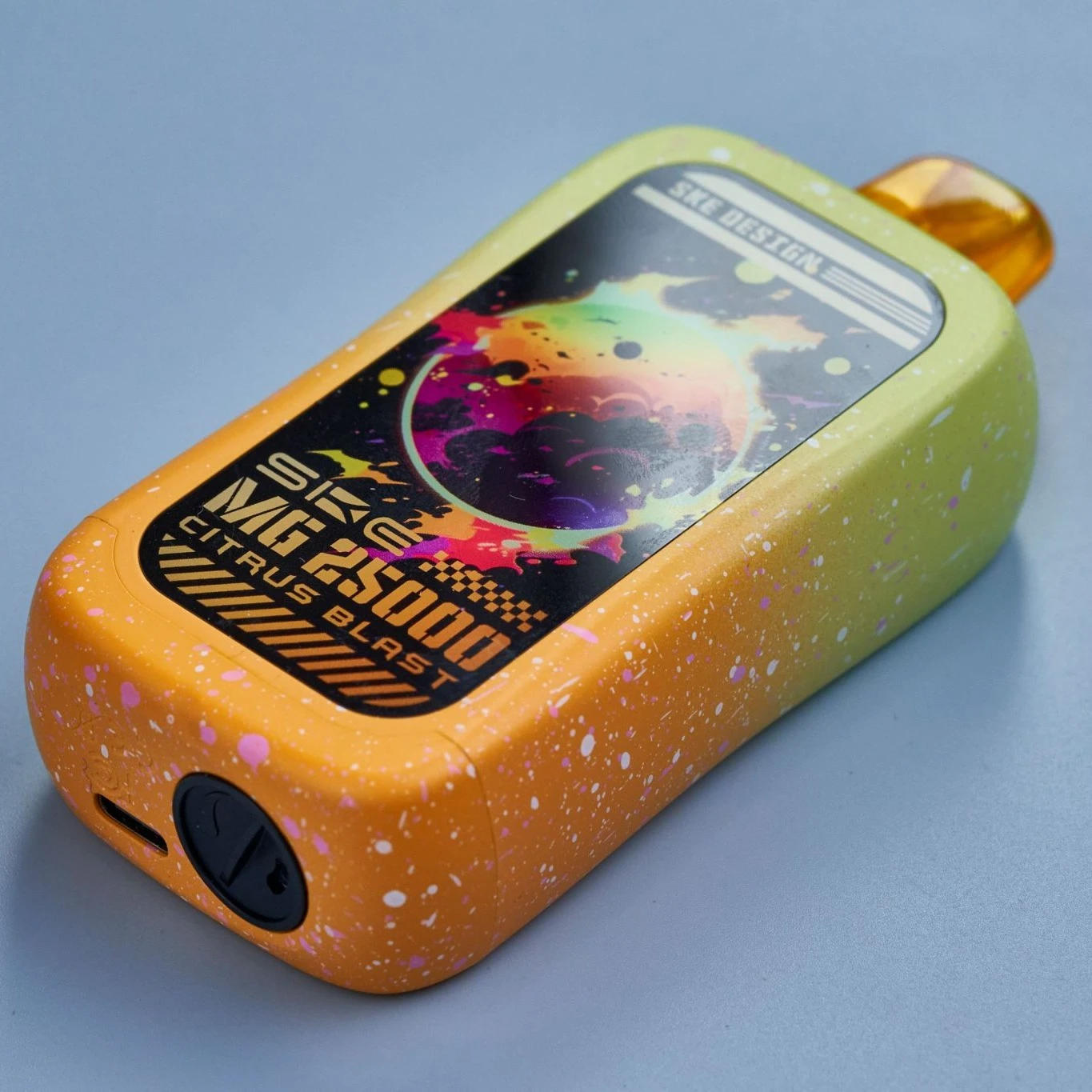
Are E-Cigarettes and Vapes the Same? Demystifying the Vaporizer World
When you first hear the words e-cigarettes and vapes, it’s tempting to think they mean the exact same thing. After all, both blow out vapor and are often seen as alternatives to traditional smoking. But as the global usage of these devices rapidly expands, grasping the subtle differences — or their similarities — matters more than ever. Why? Because what you call it can influence everything from buying choices to health discussions and regulatory policies worldwide.
Understanding are e cigarettes and vapes the same also sheds light on a booming industry projected by the World Bank and WHO to worth tens of billions soon, driven by shifting consumer habits and policy reforms. It’s not just a fad; it’s a paradigm shift in nicotine consumption and harm reduction strategies.
Global Context and Why This Question Matters
The global e-cigarette and vaping market has exploded, growing at a compound annual growth rate (CAGR) of roughly 20% since 2018, according to reports from the United Nations Office on Drugs and Crime and market analysts. Public health authorities have been debating the risks and benefits of these devices, but a core challenge remains the lack of clarity around terminology. Are e-cigarettes and vapes the same?
This question has implications for international regulation, taxation, consumer safety education, and even trade. Some countries treat them identically in the law, others distinguish between different device types. Misunderstandings may lead to inappropriate policies or consumer confusion.
In short: cutting through the jargon helps stakeholders — from regulators to users — apply the right knowledge to suit their specific contexts.
Defining E-Cigarettes and Vapes: What’s the Difference?
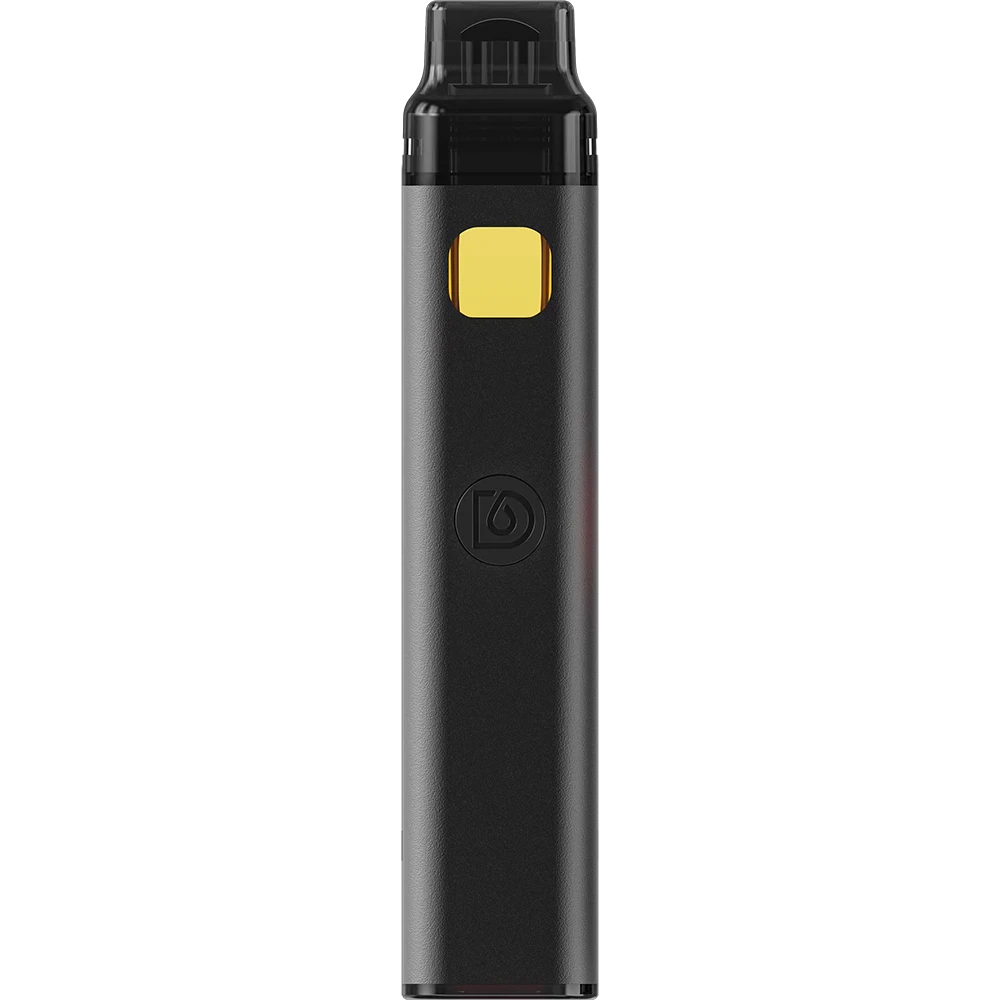
Let’s simplify. An e-cigarette is a device designed primarily to simulate tobacco cigarette smoking by heating a liquid — usually containing nicotine, flavorings, and solvents — into an inhalable aerosol. They often look like traditional cigarettes or pens. E-cigarettes were the first wave, launched around 2003, mainly as a nicotine substitute.
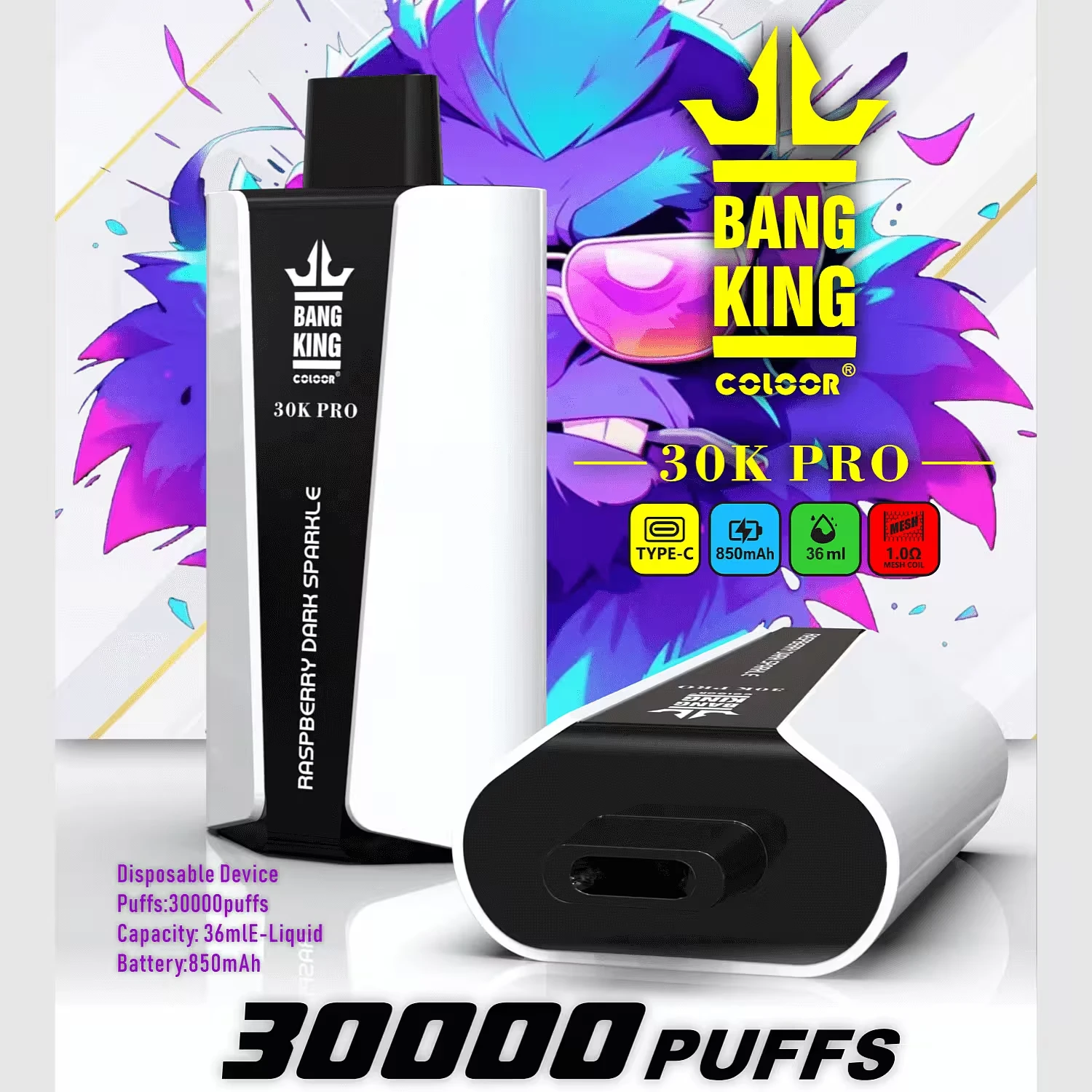
“Vapes” or “vaping devices” is a broader term. While many people use it interchangeably with e-cigarettes, “vapes” now include a whole family of electronic inhalers — from pod systems to box mods — that produce vapor from e-liquids (or sometimes dry herbs or concentrates). Their shape, power, and tech features can vary widely.
Put simply, all e-cigarettes are vapes, but not all vapes are e-cigarettes. The term vaping came later, popularized by the diverse styles and communities built around vaporization beyond the cigarette mimicry.
Mini Takeaway:
- E-cigarettes are a subset of vapes focused on cigarette replacement.
- Vapes encompass broader device categories with varied uses.
- Clarity here helps with targeted regulations and user choices.
Core Factors That Distinguish E-Cigarettes and Vapes
1. Design & Form Factor
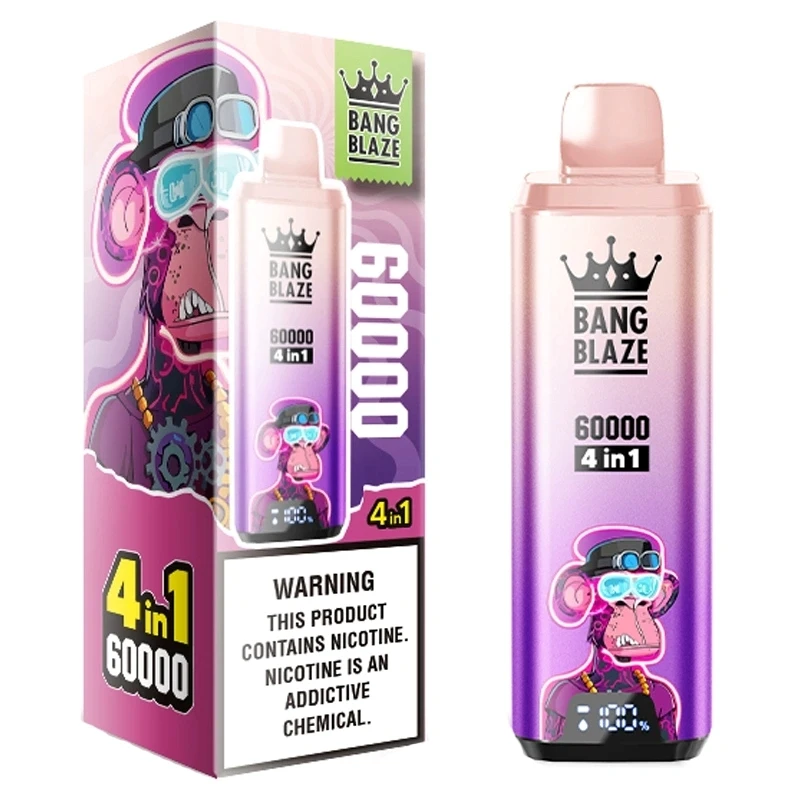
E-cigarettes tend to mimic a traditional cigarette’s slim shape and size — quite intuitive if you want a familiar feel. Vapes can be larger box mods with customizable batteries, tanks, and coils. Some even sport digital displays demonstrating wattage or puff count.
2. Power Source
E-cigarettes usually have smaller, integrated batteries optimized for easy use and portability. Advanced vapes support higher power outputs for thicker clouds or flavor intensity, featuring removable batteries or advanced charging.
3. Refill & Liquid Types
E-cigarettes often use pre-filled cartridges or pods, simplifying user experience but limiting customization. Vapes can accept many liquids, sometimes even cannabis-based concentrates or dry herb cartridges.
4. User Control & Experience
Vaping mod users often relish intricate control—adjusting temperature, airflow, or wattage—to tailor their experience. E-cigarettes prioritize ease and replicating tobacco use for smokers attempting to quit or reduce harm.
5. Market Position & Audience
E-cigarettes primarily target adult smokers seeking cessation aids, often with traditional packaging and marketing. Vapes attract a broader market, including hobbyists and flavor chasers who enjoy a wider sensory experience.
Mini Takeaway:
The core differences span from technical features to user intent. Knowing these helps consumers pick what fits them best, and policymakers craft better rules.
How Are These Devices Used Globally?
The use cases for e-cigarettes and vapes vary across regions. In Europe and North America, e-cigarettes are widely promoted as a harm reduction tool, endorsed by some health groups as a less risky alternative to combustible cigarettes. Meanwhile, in Asia-Pacific, innovative vaping devices with sophisticated tech dominate a thriving market geared toward hobbyists.
In some low-to-middle income countries, adoption is slower but rising—partly due to the rise in smartphone app integration and social media influence. Regulatory environments differ: countries like the UK consider e-cigarettes a public health asset, whereas some Latin American nations have partial bans reflecting caution.
Industries using vapes range beyond recreational: pharmaceutical companies explore vapor-based drug delivery, and tech innovators experiment with connected devices monitoring usage patterns.
Popular Industry Examples:
- Healthcare: Using vaporizers for nicotine replacement therapy.
- Manufacturing hubs: Supplying local markets with various models.
- Retail: Specialty vape shops crafting customer experiences.
Product Specification Table
| Specification |
Typical E-Cigarette |
Advanced Vape Mod |
| Battery Capacity |
350-600 mAh (fixed) |
1500-3000 mAh (removable/rechargeable) |
| Refill Mechanism |
Pre-filled pods/cartridges |
Refillable tanks with multiple coil options |
| Power Adjustment |
Usually fixed |
Variable wattage/temperature, digital control |
| Size & Weight |
Compact and lightweight |
Larger, varies by model |
| Typical Use Duration |
Up to 1 day (pod dependent) |
Several days plus with spare batteries |
Vendor Comparison: Leading E-Cigarette and Vape Manufacturers
| Brand |
Product Focus |
Price Range |
Global Reach |
Unique Selling Point |
| JUUL Labs |
Pod-style e-cigarettes |
$$ |
North America, UK |
Simplicity & tobacco-like experience |
| SMOK |
Advanced vape mods & tanks |
$ - $$$ |
Global, especially Asia-Pacific |
Customization & performance |
| Vuse (Reynolds) |
Entry-level & disposable e-cigs |
$ |
North America, select EU |
Affordability & accessibility |
| GeekVape |
Durable mods & rugged designs |
$$ |
Global, especially enthusiasts |
Durability & innovative tech |
Advantages and Long-Term Value of Understanding These Devices
Getting clear on the question are e cigarettes and vapes the same is not just academic — it creates real-world benefits:
- Consumer safety: Proper use instructions and health warnings depend on device types.
- Policy clarity: When lawmakers know distinctions, they craft balanced regulations that protect public health while fostering innovation.
- Market growth: Manufacturers can better innovate when consumers understand product categories and needs.
- Social impact: Harm reduction campaigns gain traction with clear messaging.
Emotionally speaking, it’s about trust, dignity, and choice. People deserve to know what exactly they’re inhaling and how — rather than face ambiguous terms or marketing spin.
What’s Next? Future Trends in Vaping Technology
The industry won’t stand still. Looking ahead, expect:
- Greener materials: Biodegradable pods and corrosion-resistant batteries for sustainability.
- Smart vaping devices: Bluetooth-enabled mods tracking user habits, reminding dose limits, or integrating health apps.
- Heat-not-burn hybrids: Combining tobacco and vapor tech for reduced toxin release.
- Expanded flavors and formulas: Safer compounds and cannabis derivatives gaining legal traction.
- Regulatory innovation: Harmonized global standards for product safety and labeling.
Challenges and Practical Solutions
Of course, the ecosystem is not without snags. Some challenges include:
- Mislabeling and counterfeit products: Endangering consumers and complicating regulation.
- Health research gaps: Long-term effects still under study, causing public confusion.
- Youth appeal concerns: Youth uptake remains a worry for authorities worldwide.
Solutions are emerging: more rigorous testing standards, public education initiatives, and industry self-regulation protocols promise a safer future for both e-cigarettes and vapes.
FAQ: Practical Questions About Are E Cigarettes and Vapes the Same
Q1: Can I use the same e-liquid in an e-cigarette and an advanced vape device?
A1: Not always. E-cigarettes often require specific nicotine salt pods designed for low power usage, while many vape devices use freebase nicotine e-liquids suitable for higher power and customization. Using incompatible liquids can affect device performance and safety.
Q2: Are e-cigarettes safer than traditional cigarettes?
A2: While not risk-free, multiple health organizations including Public Health England conclude that e-cigarettes typically expose users to fewer harmful chemicals than combustible cigarettes, making them a potentially less harmful alternative for smokers.
Q3: Do all vapes deliver nicotine?
A3: No. Some vapes are designed for nicotine delivery, but others vaporize flavor-only liquids or use substances like CBD or dry herbs. It depends on the device and the user's choice.
Q4: Are these devices legal everywhere?
A4: Laws vary widely by country. Some places permit e-cigarettes but ban flavored vape products; others restrict all types entirely. Always check your local regulations before purchasing or traveling.
Q5: How do I maintain my vape device?
A5: Regular cleaning of tanks and coils (if refillable), proper charging, and using recommended liquids prolong device life and ensure the best experience.
Conclusion: Knowing What You Vape Matters
In wrapping up, the question are e cigarettes and vapes the same is a doorway into understanding a diverse, evolving technological and cultural niche. Whether you’re a beginner, a policymaker, or a curious enthusiast, knowing the nuances helps foster safety, innovation, and smarter choices.
If you want to explore more about these devices and make informed decisions, are e cigarettes and vapes the same is a great place to start.
References
- Wikipedia - E-cigarette
- WHO Tobacco Fact Sheet
- United Nations Office on Drugs and Crime Statistics