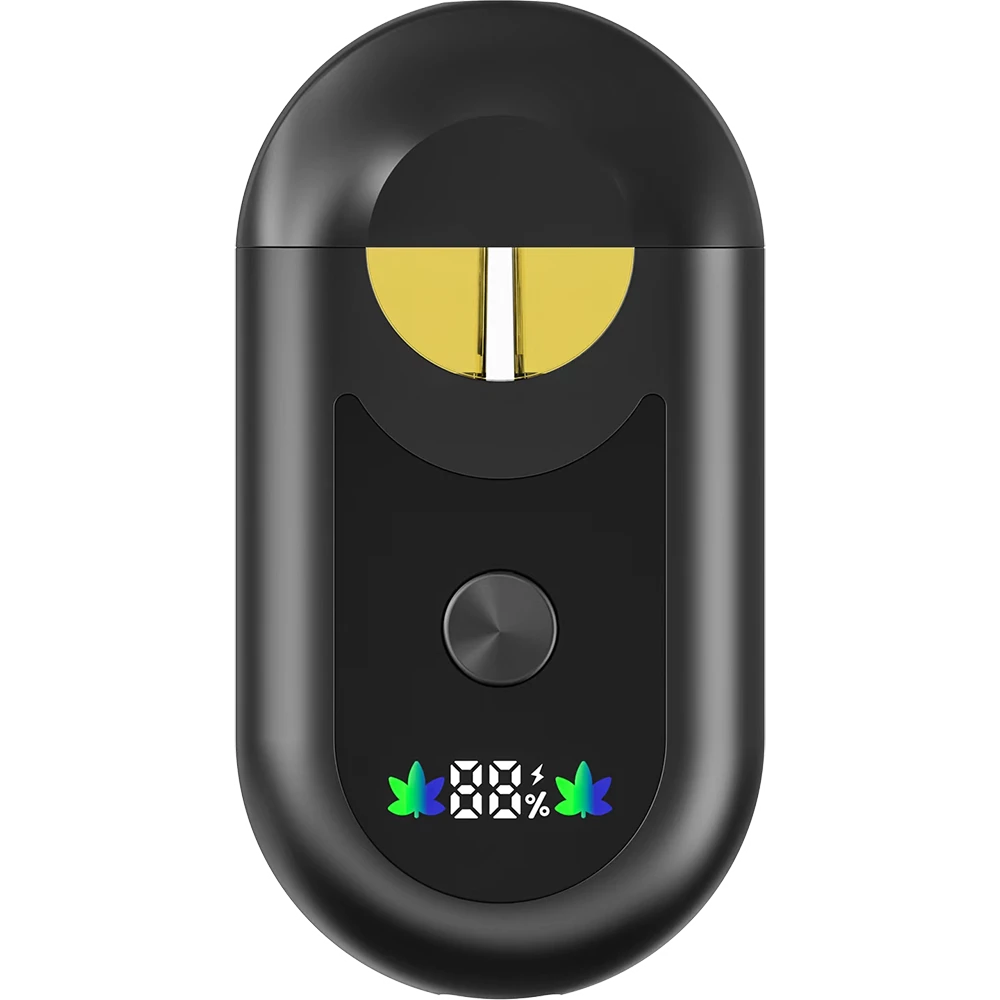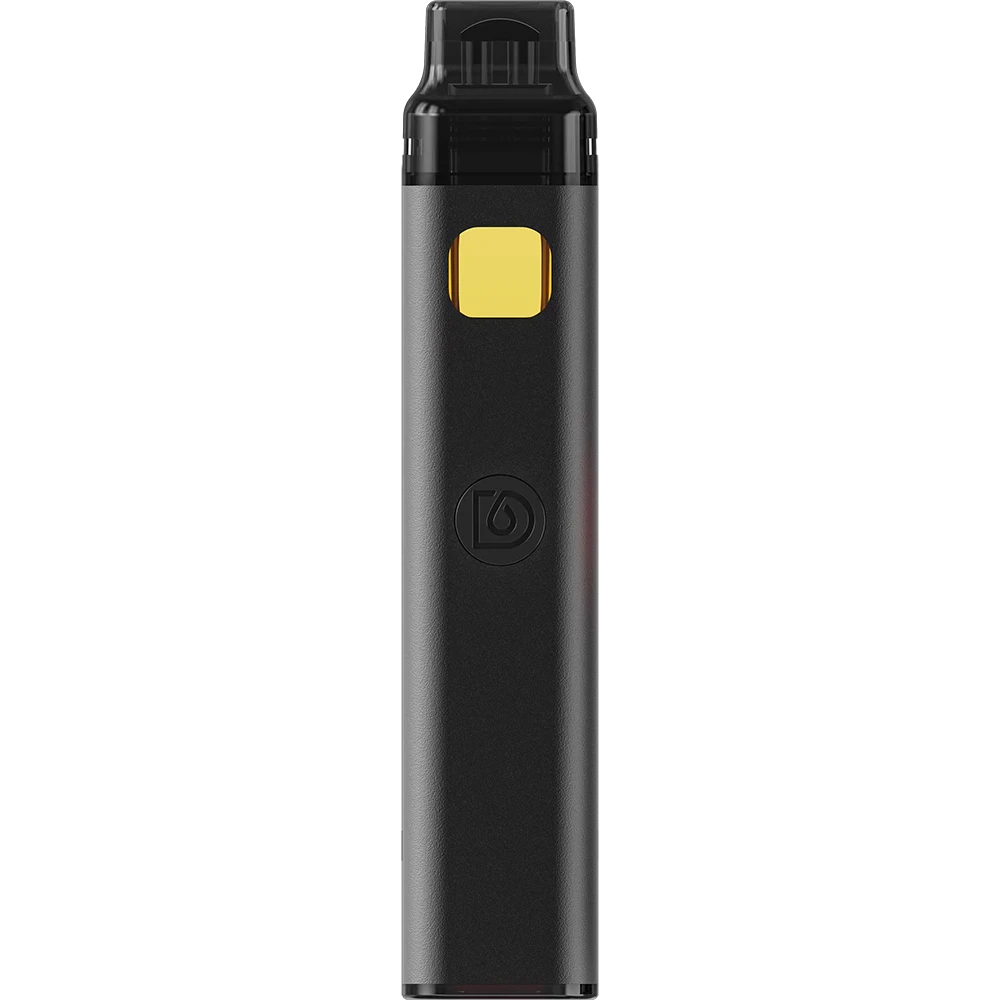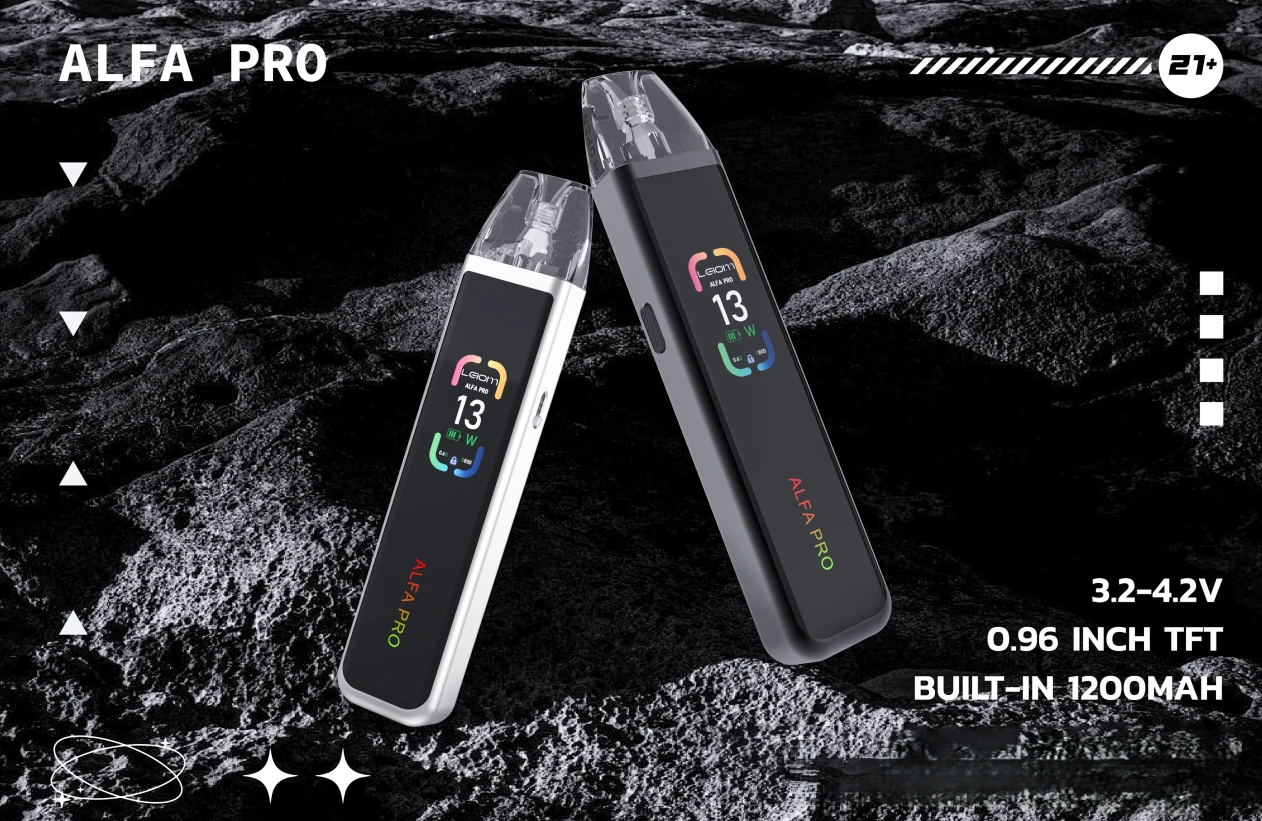
(cigarettes vs vapes)
The global nicotine market has transformed dramatically since the 2018 introduction of pod-based vaping systems. Traditional cigarette sales declined by 6.3% annually from 2019-2023 (WHO data), while vaping products grew at 19.4% CAGR. This shift raises critical questions about health impacts, user experience, and product evolution.
Combustion-based cigarettes release 7,000+ chemicals through pyrolysis, including 69 known carcinogens. In contrast, laboratory analysis of leading vape liquids shows:
| Component | Cigarettes | E-cigarettes |
|---|---|---|
| Tar | 10-14mg/stick | 0mg |
| Carbon Monoxide | 10-20mg/stick | 0.02-0.1mg/puff |
| Nicotine | 0.6-1.8mg/stick | 0-50mg/ml (user-controlled) |
The Royal College of Physicians estimates 95% reduced toxicant exposure in vaping compared to smoking, though long-term studies remain ongoing.
A 2023 longitudinal study (N=12,400) revealed:
However, dual users showed 23% higher health risks than exclusive vapers, emphasizing the importance of complete transition.
| Metric | Traditional Manufacturers | Vape Companies |
|---|---|---|
| Market Share | 58% (declining) | 42% (growing) |
| R&D Investment | $1.2B annually | $2.8B annually |
| Product Lines | 12 variants average | 150+ SKUs per brand |
PMI's IQOS holds 8.7% global heated tobacco market share, while JUUL controls 34% of US vaping sales despite flavor restrictions.
Annual user costs (USD):
Insurance premium differences average 18-22% lower for vapers in progressive markets, according to Lloyd's of London data.
Modern vaping systems offer:
Leading devices now incorporate Bluetooth connectivity for usage tracking and gradual nicotine reduction programs.
The 2024 TPD revisions mandate child-resistant packaging and 2ml nicotine caps across EU markets. Meanwhile, US PMTA approvals have cleared 23 vaping products as "appropriate for public health". Emerging data shows:
As combustion-free alternatives gain mainstream acceptance, the cigarettes vs vapes
debate increasingly focuses on harm reduction rather than equivalence.
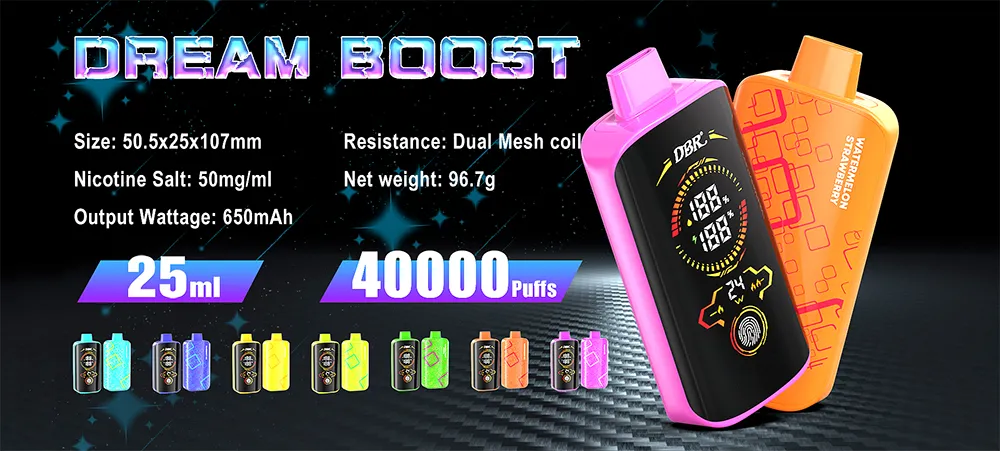
(cigarettes vs vapes)
A: Traditional cigarettes burn tobacco, releasing tar and carcinogens, while e-cigarettes vaporize nicotine-containing liquid. Vapes avoid combustion but may still deliver addictive nicotine and other chemicals.
A: E-cigarettes expose users to fewer toxic combustion byproducts than cigarettes, but both carry health risks. Vaping aerosols contain harmful additives, and long-term effects remain under study.
A: Yes, most traditional cigarettes and e-cigarettes contain addictive nicotine. However, vapes allow adjustable nicotine levels, including nicotine-free options.
A: Smoking causes proven lung cancer and heart disease risks, while vaping links to acute lung injuries and contains fewer toxins. Neither is considered safe for long-term use.
A: Some smokers use vapes as cessation tools, but studies show mixed effectiveness. The FDA hasn't approved e-cigarettes as quit-smoking aids due to insufficient evidence.


Hit enter to search or ESC to close