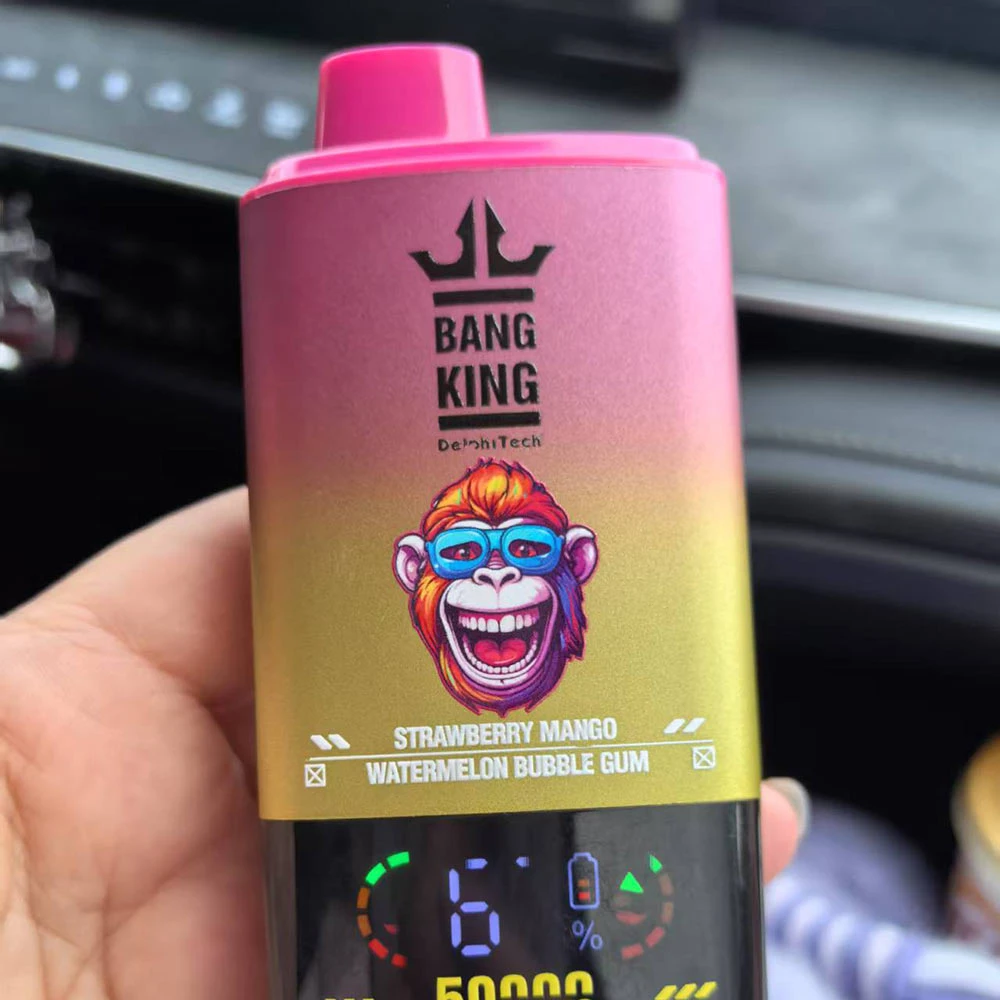
E-Cigarette Disposal: Why It Matters More Than You Think
When we talk about e-cigarettes, the conversation usually centers on health impacts or usage trends. But the way these devices are disposed of has a surprisingly big ripple effect — over the environment, public health, and industry standards worldwide. Understanding e-cigarette disposal properly can unlock benefits ranging from pollution reduction to improved recycling economies and safer community spaces. Today, we’ll dive into the ins and outs of this often overlooked piece of the vaping ecosystem.
Global Context: The Challenge of E-Cigarette Disposal
The rise of vaping is a global phenomenon—with millions switching from traditional cigarettes to e-cigarettes as either a healthier alternative or a stepping stone towards quitting nicotine completely. According to recent estimates by the World Bank and environmental watchdogs like the UN Environment Programme, about 1.5 billion e-cigarette components enter waste streams annually, including lithium batteries, plastic cartridges, and heavy metals. If improperly handled, these materials can leach toxic substances into soil and water, compounding the planetary burden we already face from electronic waste.
Oddly enough, despite the explosive sales growth, legislation and recycling infrastructure for e-cigarette disposal lag significantly behind. Many countries still treat vape waste as regular trash, which means hazardous parts end up in landfill, risking chemical contamination and fire hazards. This disconnect underscores a pressing problem the industry must address urgently — effective and safe e-cigarette disposal.
What Exactly is E-Cigarette Disposal?
In simple terms, e-cigarette disposal refers to the processes and best practices involved in safely discarding used electronic cigarettes and their components. This includes separating hazardous elements such as lithium-ion batteries, plastic cartridges, and nicotine residue, then channeling them into appropriate recycling or waste treatment streams.
This concept is tied intimately with modern environmental management and health safety policies. As vaping devices blend electronics with consumables, their disposal straddles e-waste and chemical waste categories, demanding a tailored approach to minimize harm and unlock material reuse.
Core Components Influencing E-Cigarette Disposal
1. Battery Safety and Handling
Lithium-ion batteries power most e-cigarettes, but they’re notorious for their chemical volatility when compromised. Safe disposal protocols often call for separate collection, specialized recycling facilities, and strict packaging to prevent fires during transport. This aspect is crucial both for waste handlers and end users.
2. Material Composition and Recyclability
Many devices use mixed materials—plastic, metal, glass—making disassembly labor-intensive but necessary to reclaim components. Advances in modular designs now encourage easier dismantling, which helps streamline recycling and reduce landfill dumping.
3. Environmental Impact Regulations
Countries with robust environmental laws, like those aligning with ISO standards for electronic waste, mandate specific e-cigarette disposal procedures to minimize ecological harm. Compliance ensures better recovery rates and reduces hazardous emissions.
4. Consumer Awareness and Accessibility
Even the best policies fall flat if end users don’t know how or where to dispose. Educational campaigns, clear labeling, and convenient drop-off points bridge this gap, empowering users to participate in sustainable disposal.
5. Corporate Responsibility Programs
Many vape manufacturers now integrate take-back programs as part of extended producer responsibility (EPR). These initiatives reduce landfill waste and enhance brand reputation while contributing to circular economy goals.
How E-Cigarette Disposal Fits In: Real-World Applications
Globally, regions are experimenting with different strategies. In the European Union, strict waste directives push vape firms to collaborate with certified recycling centers. In North America, urban centers often have electronic waste collection days that accept old e-cigarettes alongside other gadgets.
In developing countries, where regulations can be patchy, NGOs work to collect used vape materials during broader anti-pollution drives. Meanwhile, companies like some leading vape brands establish localized take-back kiosks in retail outlets, helping prevent improper trashing.
Interestingly, the growing presence of vape shops means industry stakeholders are increasingly involved on the front line of sustainable disposal — an encouraging trend for tracking and managing e-cigarette waste flows.
Product Specification Table: Typical E-Cigarette Components
| Component |
Material |
Recyclability |
Disposal Hazard |
| Battery |
Lithium-ion |
High (specialized facilities) |
Fire, chemical leakage |
| Cartridge / Pod |
Plastic and e-liquid remnants |
Low to Moderate |
Nicotine contamination |
| Coil & Wick |
Metal & cotton/fiber |
Moderate (metal parts recyclable) |
Minimal |
| Device Casing |
Plastic or metal |
High (if separated properly) |
Low |
Vendor Comparison: E-Cigarette Disposal Solutions
| Vendor |
Disposal Type |
Recycling Facilities |
Take-Back Program |
Global Reach |
| EcoVape Recycle |
Battery & Plastic |
Yes, certified ISO 14001 |
Yes, in-store drop-off |
Europe, North America |
| GreenPuff Solutions |
Full device processing |
Specialized lithium battery plants |
Limited pilot programs |
Asia-Pacific |
| VapeCycle |
Battery recycling only |
National coverage in USA |
Yes, mail-in program |
North America |
Advantages and Lasting Benefits of Proper Disposal
The positive impact of responsibly managing e-cigarette waste isn't just about ticking a compliance box. Frankly, it mitigates serious environmental hazards like soil contamination, prevents fires from battery mishandling, and supports circular economy principles by recovering metals and plastics.
On the social side, awareness and infrastructure around disposal foster a cleaner community environment, reducing accidental toxin exposure and enhancing public health confidence. For companies, a transparent recycling program can build brand trust — a commodity as valuable as the devices themselves nowadays.
The Road Ahead: Innovations Shaping E-Cigarette Disposal
Looking forward, there’s movement toward greener materials in vape design — biodegradable pods and safer battery chemistries leading the charge. Automated sorting technologies, powered by AI, can streamline component separation in recycling plants, enhancing throughput and cost efficiency. Policy developments, particularly stringent extended producer responsibility (EPR) laws, will likely compel manufacturers to rethink whole life-cycle approaches.
I’ve noticed a growing buzz about digital “take-back” tracking systems, where consumers get incentives for returning used devices via QR codes or apps — clever stuff that could shift disposal behaviors dramatically.
Challenges and Practical Solutions
Despite progress, challenges remain. The mixed-material nature of devices complicates recycling. Consumer apathy or unawareness leads to improper disposal, while inconsistent global regulation creates patchwork enforcement.
Solutions? More unified regulatory frameworks, combined with widespread education campaigns and incentives, can tip the balance. On the tech side, designing for disassembly and investing in local recycling hubs minimizes logistic hurdles.
FAQ: Practical Questions About E-Cigarette Disposal
- Q: Where can I safely dispose of my used e-cigarette battery?
A: Most electronic waste centers accept lithium-ion batteries separately. Some vape retailers also offer take-back programs. It's essential never to throw batteries in regular trash due to fire risks.
- Q: Can the plastic cartridges be recycled?
A: Yes, but only if separated from nicotine liquid residue. Specialized facilities handle plastic recycling, but many cartridges end up incinerated or landfilled due to contamination.
- Q: What happens if e-cigarettes are thrown in regular garbage?
A: Lithium batteries risk igniting waste collection trucks or landfill fires, and nicotine residue can contaminate soil and water, posing health hazards.
- Q: Are there companies that will recycle the whole device?
A: Yes, though limited. Some vendors specialize in full device processing; it's worth checking local options or mail-in services.
- Q: How do I find local e-cigarette disposal points?
A: Check local government waste websites, vape shop networks, or recycling programs—many now maintain directories or offer drop-off locations.
In Conclusion: Why Proper E-Cigarette Disposal is Key
To wrap up, the journey doesn't end when your e-cigarette hits the bin—it’s only just begun. Responsible e-cigarette disposal prevents environmental damage, promotes safer communities, and supports industry sustainability goals. As a vaping enthusiast or industry professional, embracing this knowledge benefits us all.
Ready to do your part? Visit our website: https://www.uvapelab.com to learn more about safe disposal options and recycling programs near you.
Personal Reflection & Takeaway
I’ve been surprised how much the disposal side of vaping doesn’t get the spotlight it deserves. Many engineers I spoke to said it’s complicated, but also an exciting frontier—designing devices with end-of-life in mind. It feels like a quiet revolution is underway, slowly turning waste into resource. Sometimes the smallest habits, like dropping a pod in the right bin, add up to big environmental wins.
References
- UNEP Global E-Waste Monitor 2020
- ISO 14001 Environmental Management
- Wikipedia: Electronic Waste