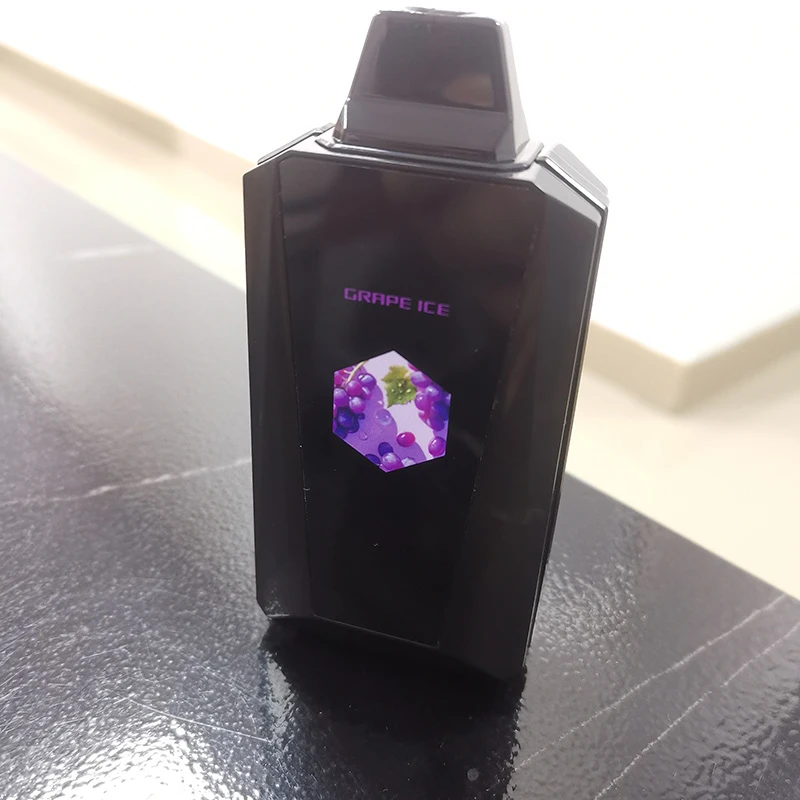
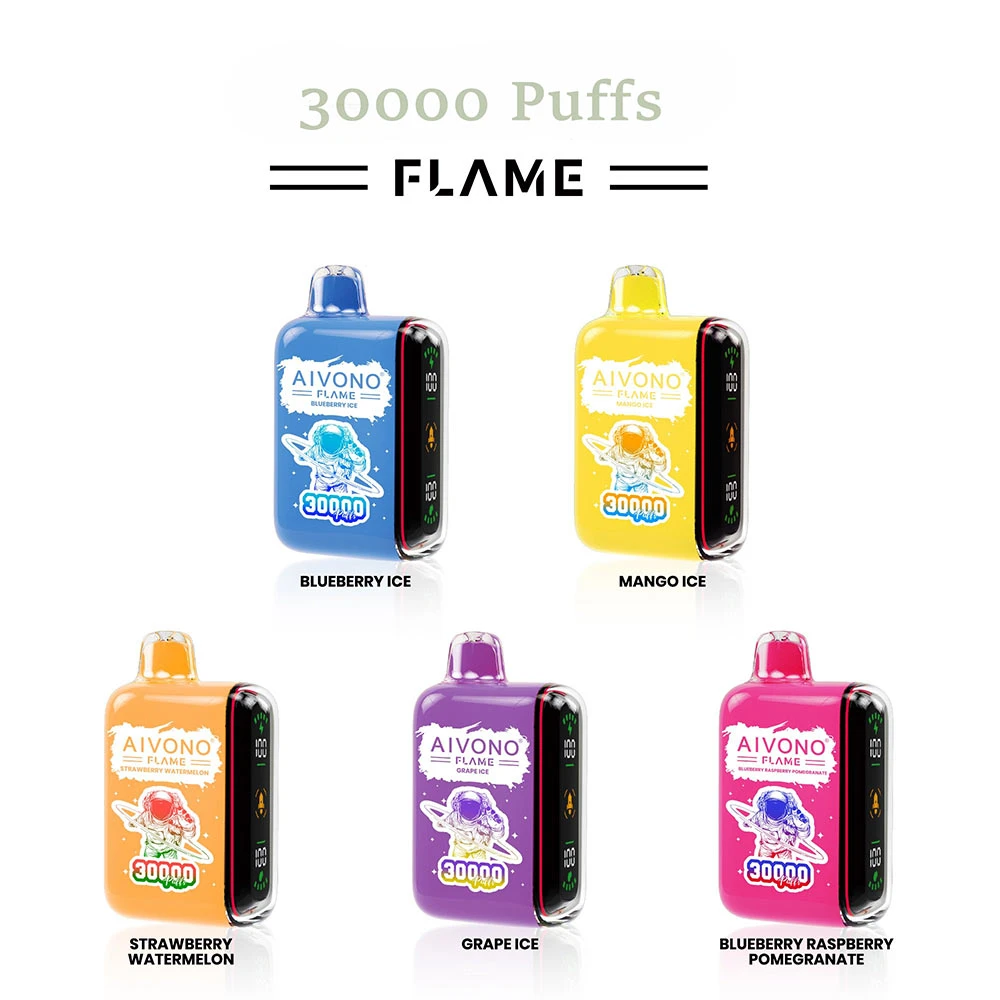
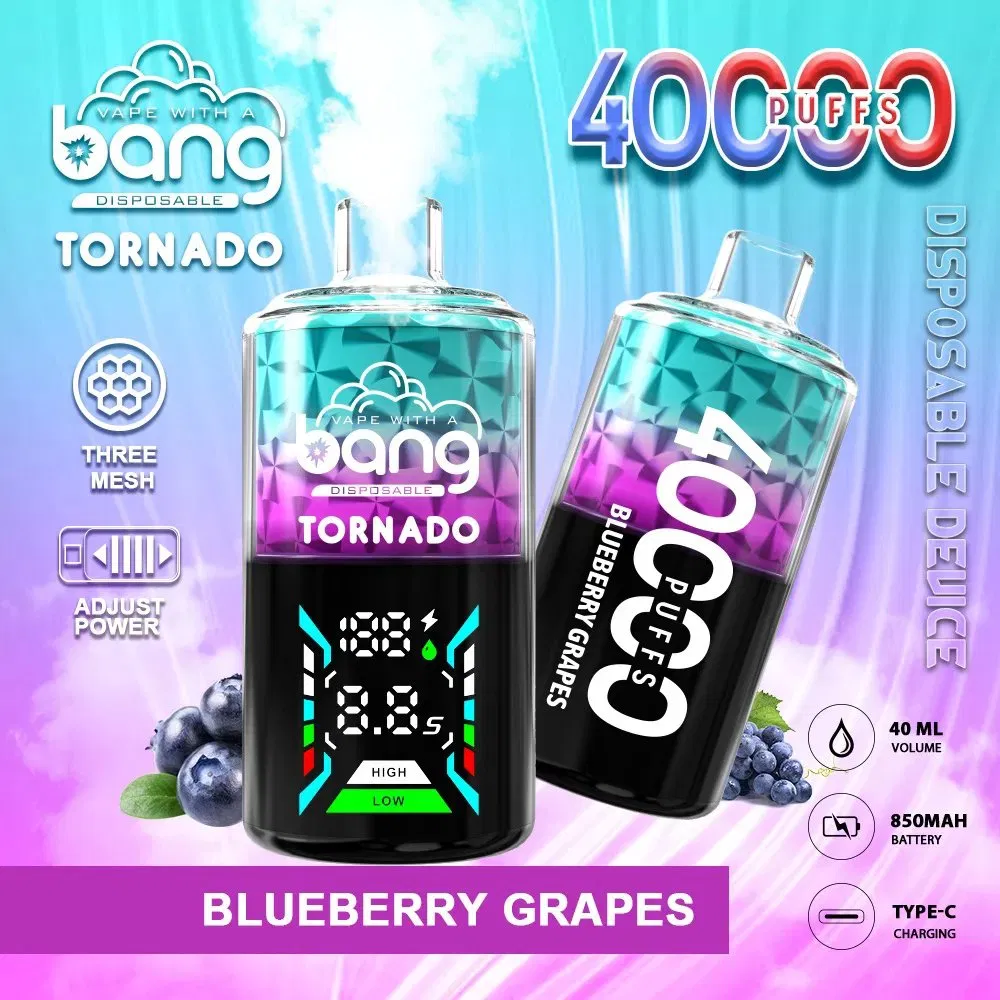
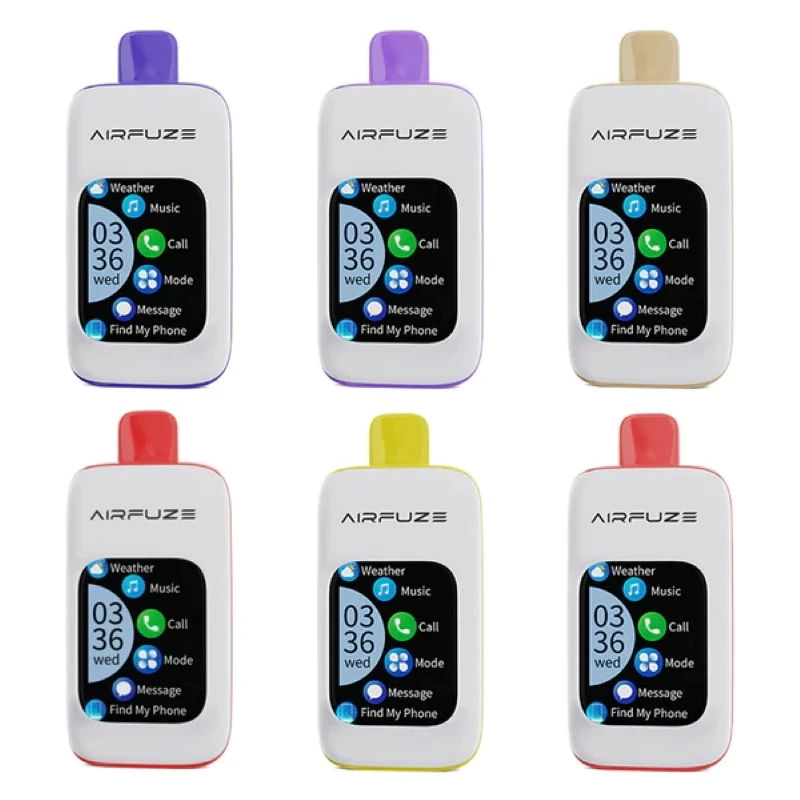
If you’ve been tracking the shift to next-gen atomization, the ultrasonic vape conversation is everywhere. To be honest, the term gets thrown around loosely. Some devices use true piezoelectric misters; others chase the same silky aerosol with tightly tuned mesh coils. Here’s what I’m seeing on the ground in Shenzhen and from buyer feedback this year.
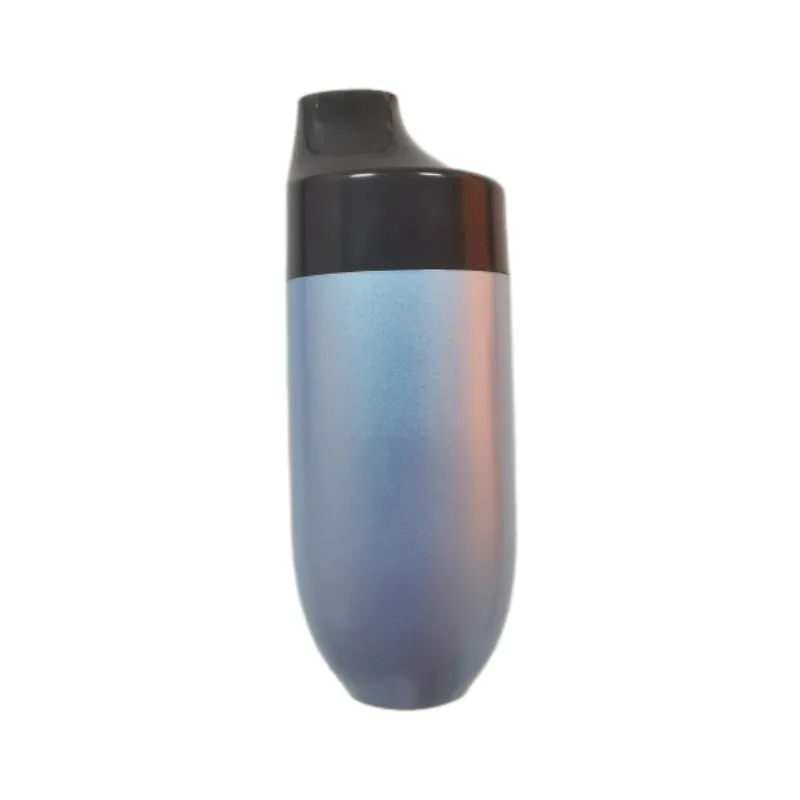
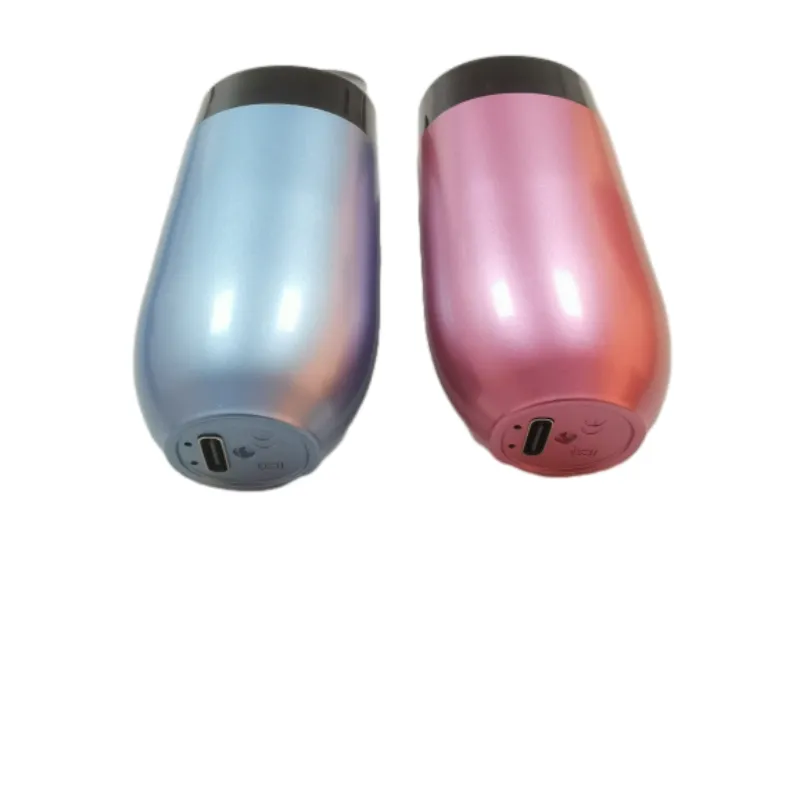
Built a few metro stops from Bao’an airport (No.1216, XinSha Road, Shajing Street, Bao’an Shenzhen), this unit leans into customization for retailers and white-label brands. Interestingly, while the marketing uses “ultrasonic,” the core spec lists a mesh 1.0Ω coil—so, think “ultrasonic-smooth” results via a hybrid control approach rather than a pure piezo plate. Many customers say the draw is consistent, which is what matters day to day.
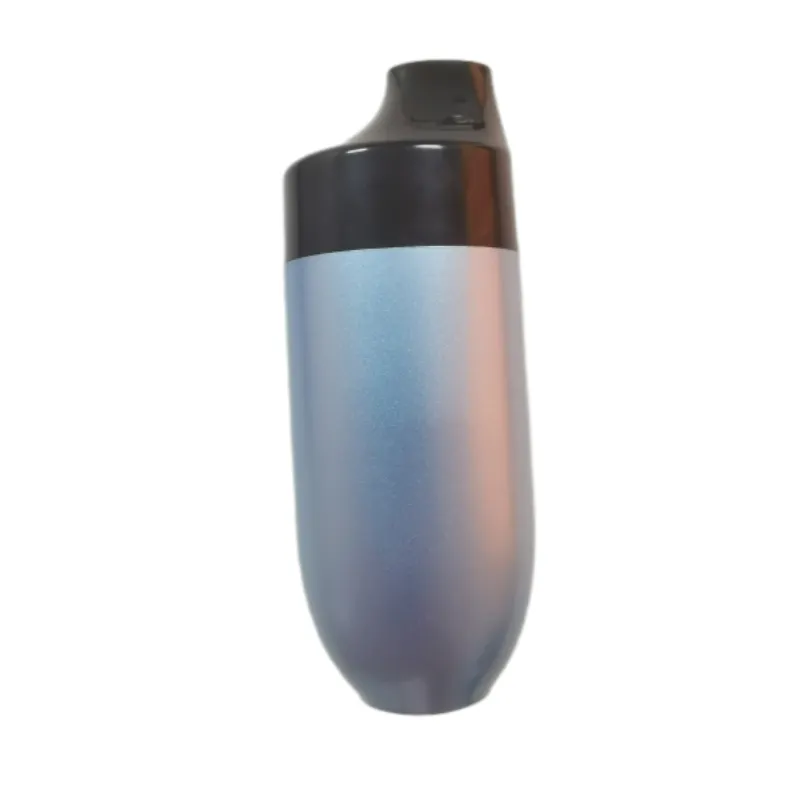
| Model | 2024 Personalized Super “Ultrasonic” Pod |
| Atomization approach | Mesh 1.0Ω; tuned airflow for ultrasonic vape-like smoothness |
| Capacity / Puffs | 4 ml / ≈2,000–2,500 (user pattern dependent) |
| Battery / Port | 650 mAh; USB-C 5V/0.4A |
| Nicotine | 2% salt (regional compliance needed) |
| Materials | Food-grade PCTG pod, SS contact pins, Li-ion cell |
| Cert intent | RoHS/CE; UN38.3 for battery; UL 8139 candidate |
Materials incoming (PCTG, coil mesh, gaskets) → automated coil winding and resistance check (1.0Ω ±0.1) → pod injection and ultrasonic sealing → precision filling (±0.05 ml) → aging rack (8–12 hours) → leak test (vacuum) → battery charge/discharge cycles (IEC 62133-2 framework) → aerosol yield check (ISO 20768 puffing regimen proxy) → carton drop test. Service life is tied to e-liquid volume; coil is sized to avoid scorching under 55–70 mL puff volumes used in standard testing.
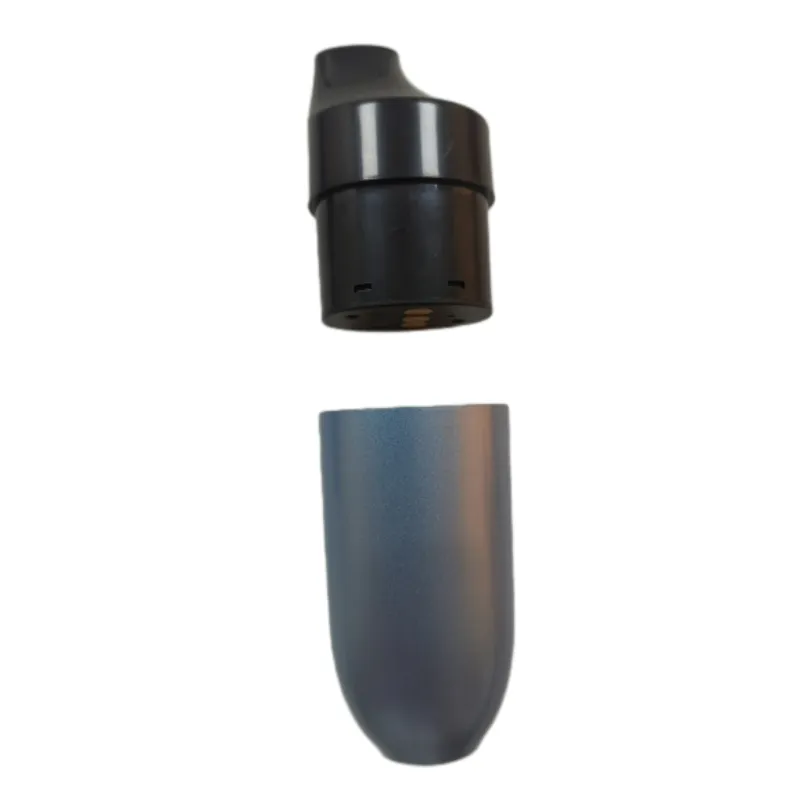
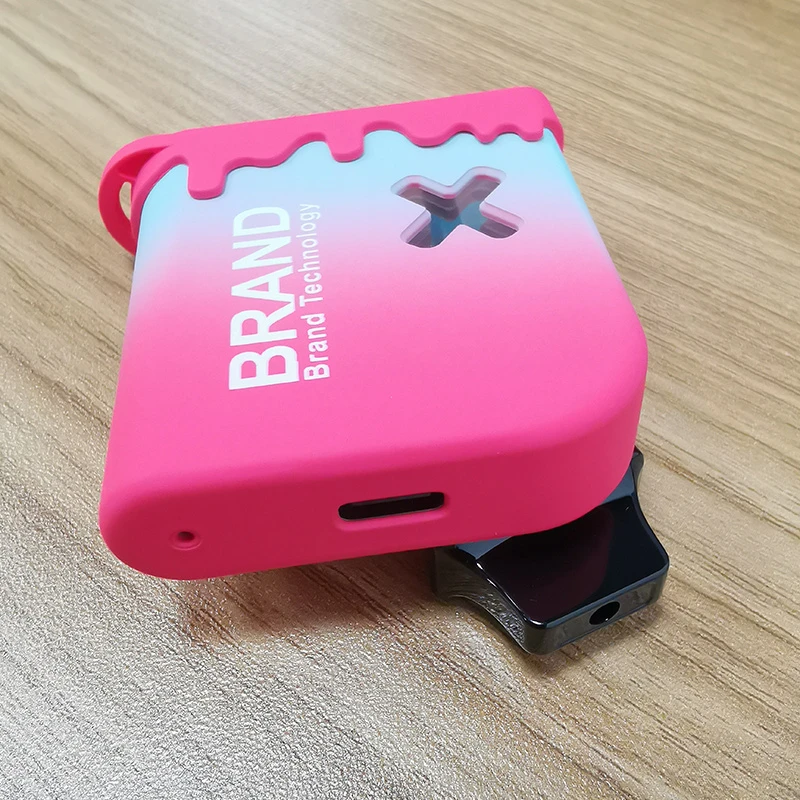
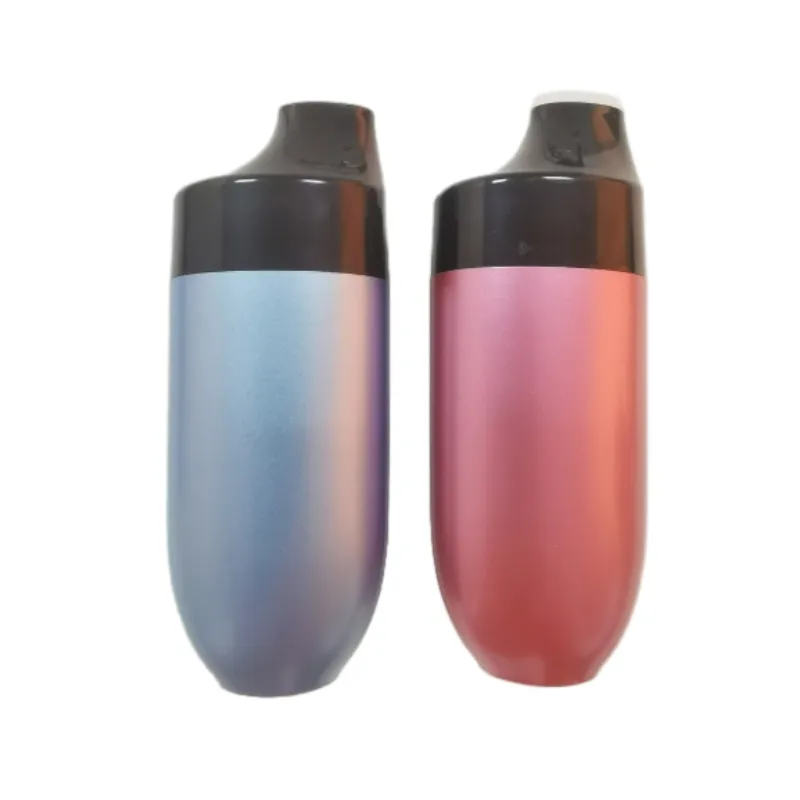
MOQ for custom colors/logos is typically mid-four figures (ask sales). Options include gradient shells, mouthpiece geometry, airflow tuning, nicotine level variants (subject to TPD/PMTA pathways), and child-resistant packaging. It seems that flavor stability under heat cycles is a strong point—several buyers reported fewer “muted” last-10% puffs versus prior mesh pods.
| Vendor | Tech | Capacity | Battery | Compliance Notes | Lead Time |
|---|---|---|---|---|---|
| Icoolvape (this model) | Mesh 1.0Ω, ultrasonic vape-like tuning | 4 ml | 650 mAh | Targets CE/RoHS; UN38.3; UL 8139 path | ≈15–25 days |
| Vendor B (piezo-only) | Piezo plate “true ultrasonic” | 2–3 ml | 400–500 mAh | Check IEC 60335/UL 8139 cross-refs | ≈20–30 days |
| Vendor C (mesh pod) | Mesh 0.8–1.2Ω | 3–5 ml | 500–650 mAh | RoHS/CE typical; UN38.3 battery | ≈10–20 days |
A mid-size EU convenience chain piloted 10k units with a cool-toned shell and 2% salt formulation. Packaging was updated for TPD warnings, batch coding, and retailer QR recall readiness. Result: returns dropped from 2.8% to 1.6% month-over-month, mainly fewer dry hits in the final 15% of the tank. Not scientific, but telling.
Final thought: whether you pick pure piezo or tuned mesh, what buyers care about is steady aerosol and compliant paperwork. This model hits that balance and, surprisingly, does it without a price premium.


Hit enter to search or ESC to close