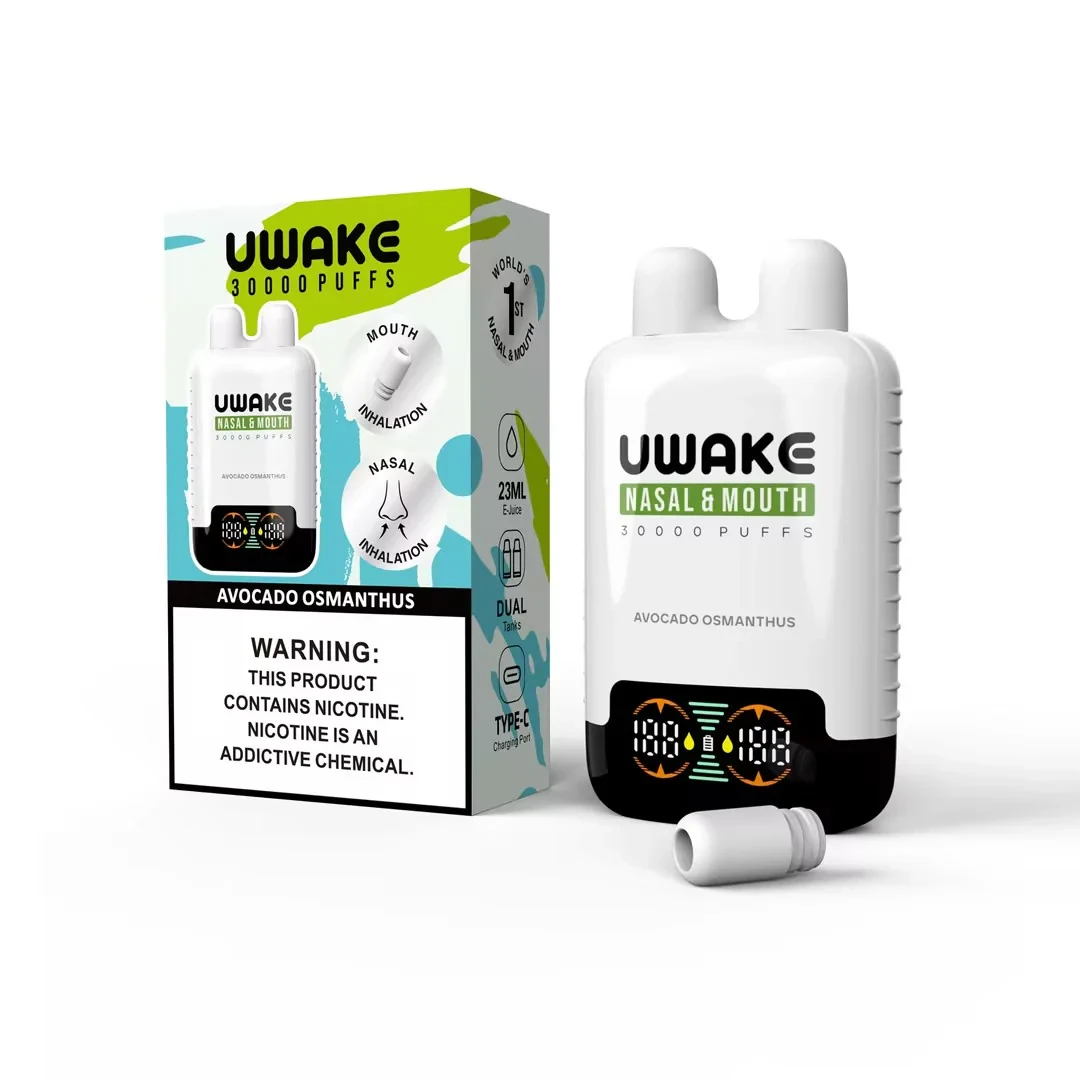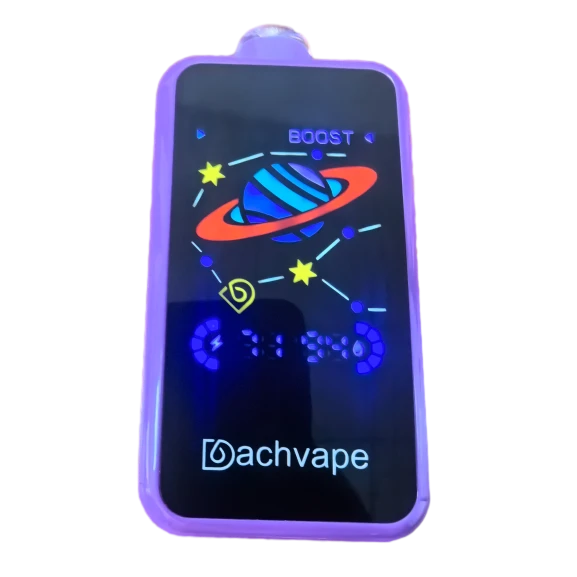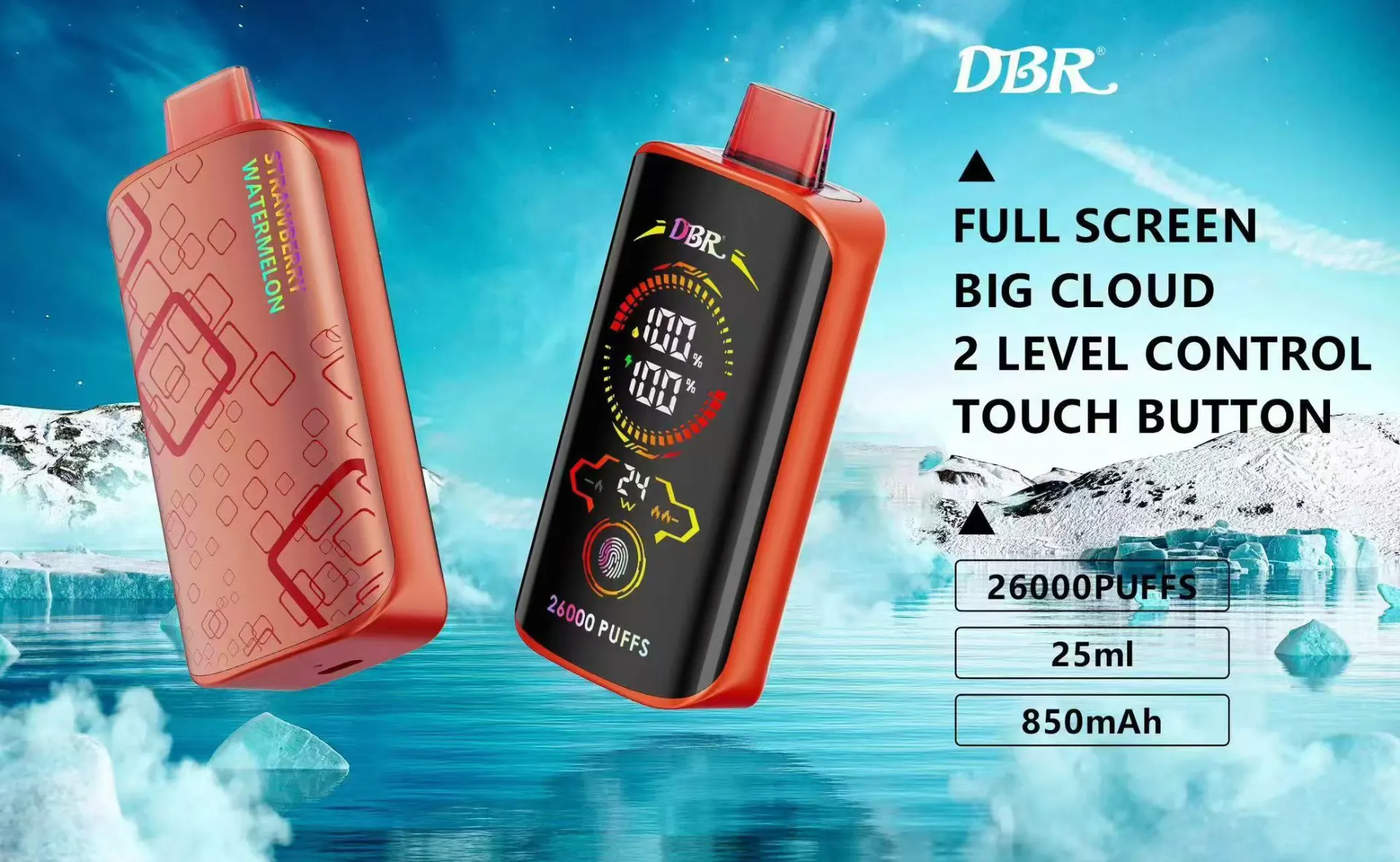
(what is disposable vape)
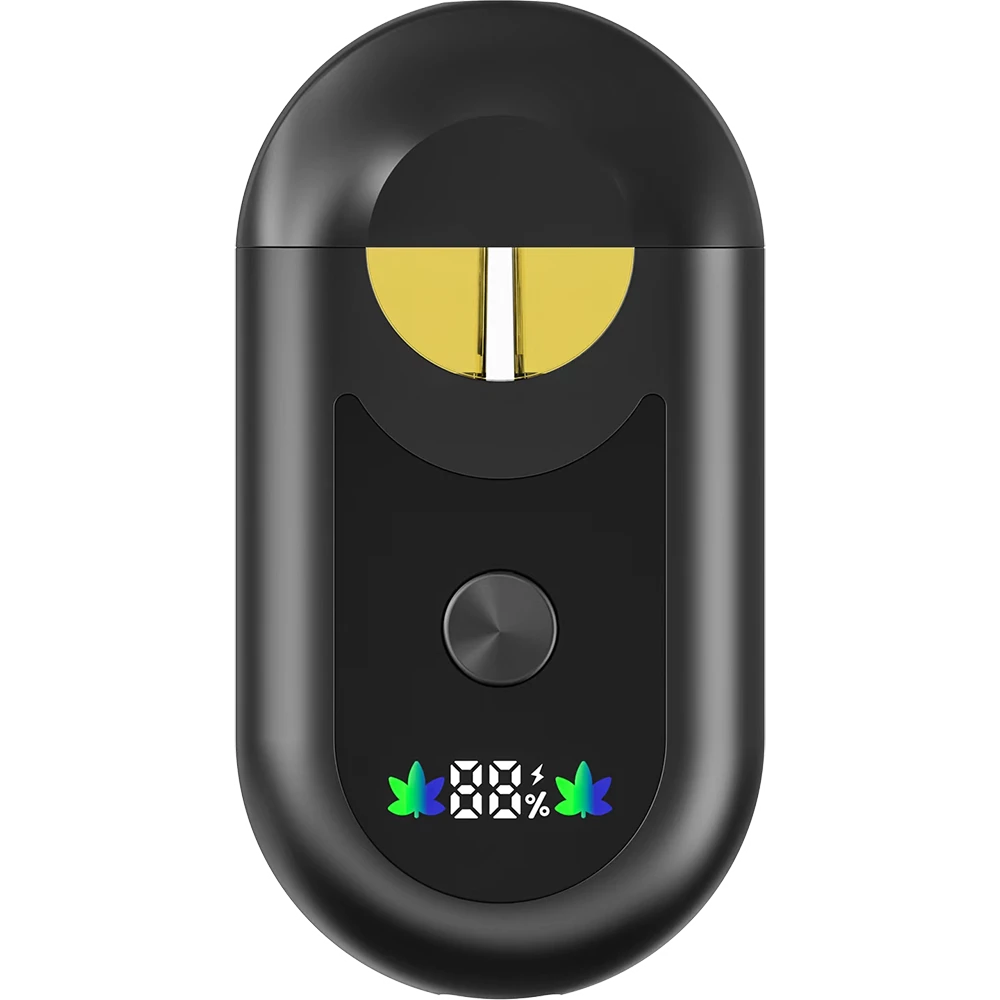
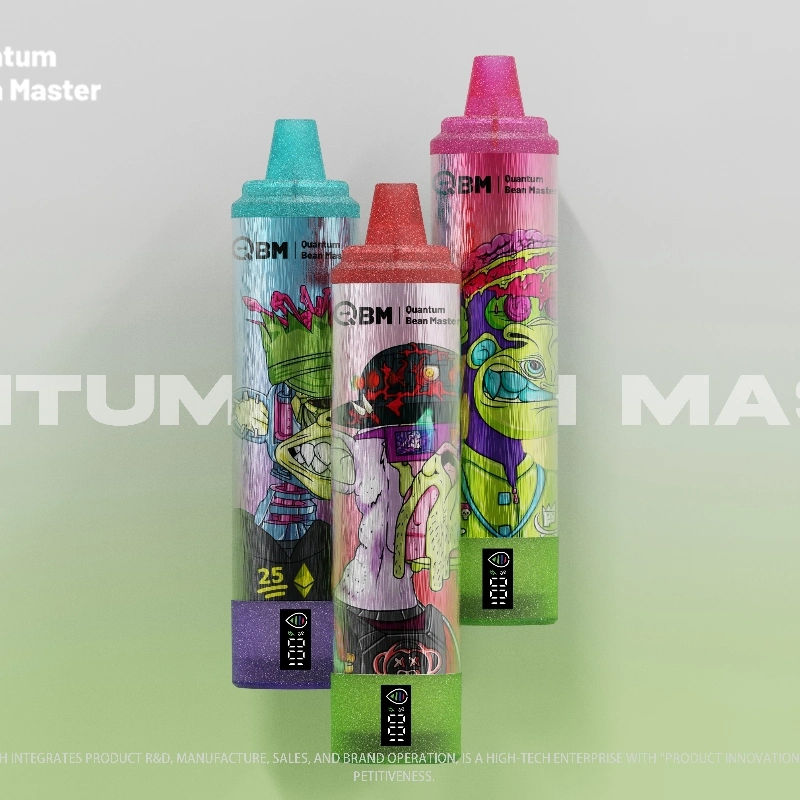
Disposable vapes are single-use electronic devices pre-filled with e-liquid and powered by an integrated battery. Designed for convenience, they eliminate maintenance like coil replacements or refilling. According to Grand View Research, the disposable vape market grew by 22.3% annually from 2020–2023, driven by their plug-and-play functionality. Unlike traditional vaping systems, disposables come ready-to-use and are discarded after the e-liquid (typically 2–5 mL) or battery depletes, making them ideal for casual users or travelers.
Non-disposable vapes offer refillable tanks and rechargeable batteries, appealing to cost-conscious enthusiasts. However, 68% of new vapers prefer disposables due to their simplicity. Key distinctions include:
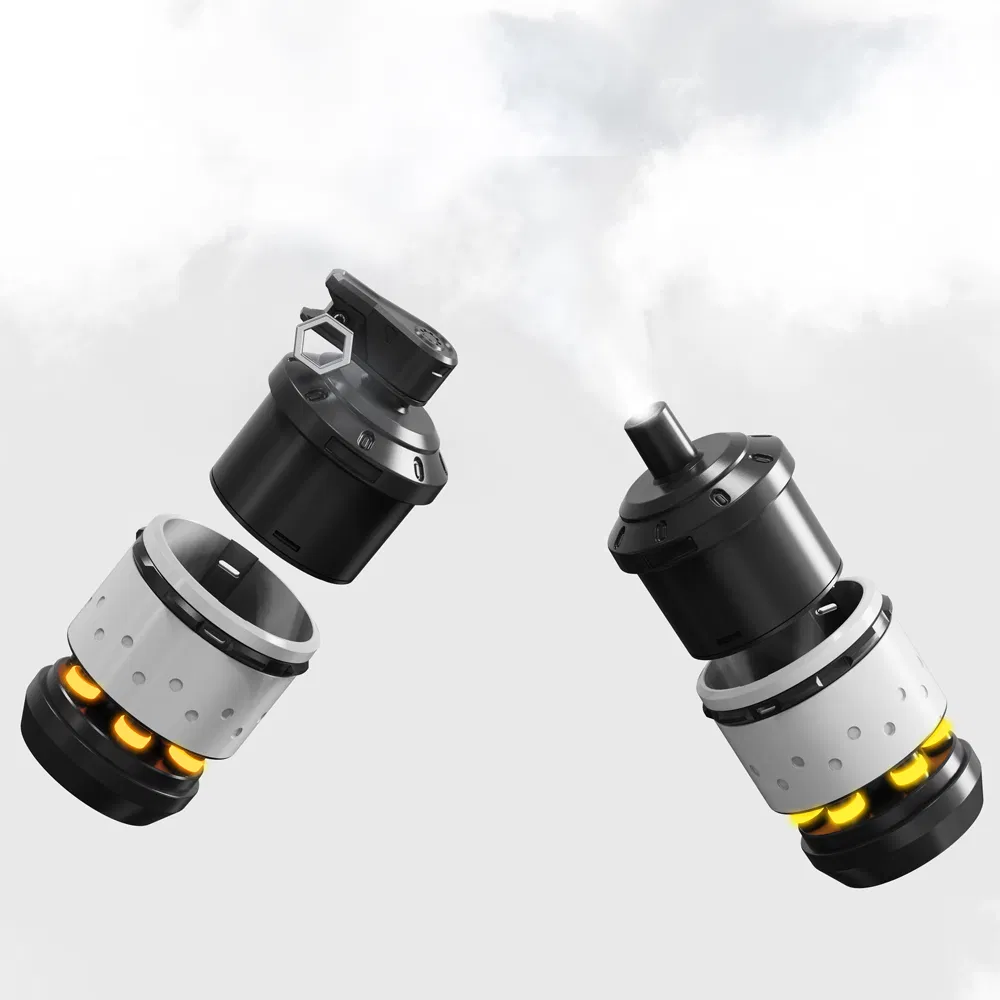
Advanced airflow systems and salt nicotine formulations enable disposables to deliver smoother throat hits at 20–50 mg/mL nicotine strengths. Brands like Elf Bar integrate mesh coils for 10% higher flavor consistency, while STIIIZY uses ceramic heating for zero leakage. Battery efficiency has also improved, with Li-ion cells now supporting 48-hour usage cycles.
| Brand | Price Range | Flavors | Battery (mAh) | Puffs | Market Share |
|---|---|---|---|---|---|
| Puff Bar | $8–$12 | 30+ | 550 | 800 | 24% |
| Vaporesso | $15–$25 | 15+ | 650 | 1,200 | 18% |
| SMOK | $10–$18 | 25+ | 500 | 600 | 12% |
Leading suppliers now offer customizable nicotine levels (0–5%), flavor blends, and biodegradable casings. For instance, HyveTech allows bulk buyers to design exclusive flavors like mango-ice or blueberry-menthol, with MOQs as low as 500 units. Battery customization (400–1,000 mAh) and packaging branding further differentiate products in competitive retail spaces.
In 2023, a California convenience chain reported a 37% sales boost after stocking Glacier Bar disposables. Online retailer VapeJuice saw 52% repeat purchases among 18–24-year-olds for tropical-flavored disposables. Additionally, eco-conscious brands like Breeze Prime gained traction with recyclable aluminum bodies, reducing plastic waste by 18 tons monthly.
Disposable vapes are projected to hold 45% of the global vaping market by 2026 (Statista). Their dominance stems from relentless R&D in sustainability, such as solar-powered charging cases and USDA-certified organic e-liquids. As regulations tighten, manufacturers adopting child-resistant designs and THC-free formulations will lead the next growth phase.
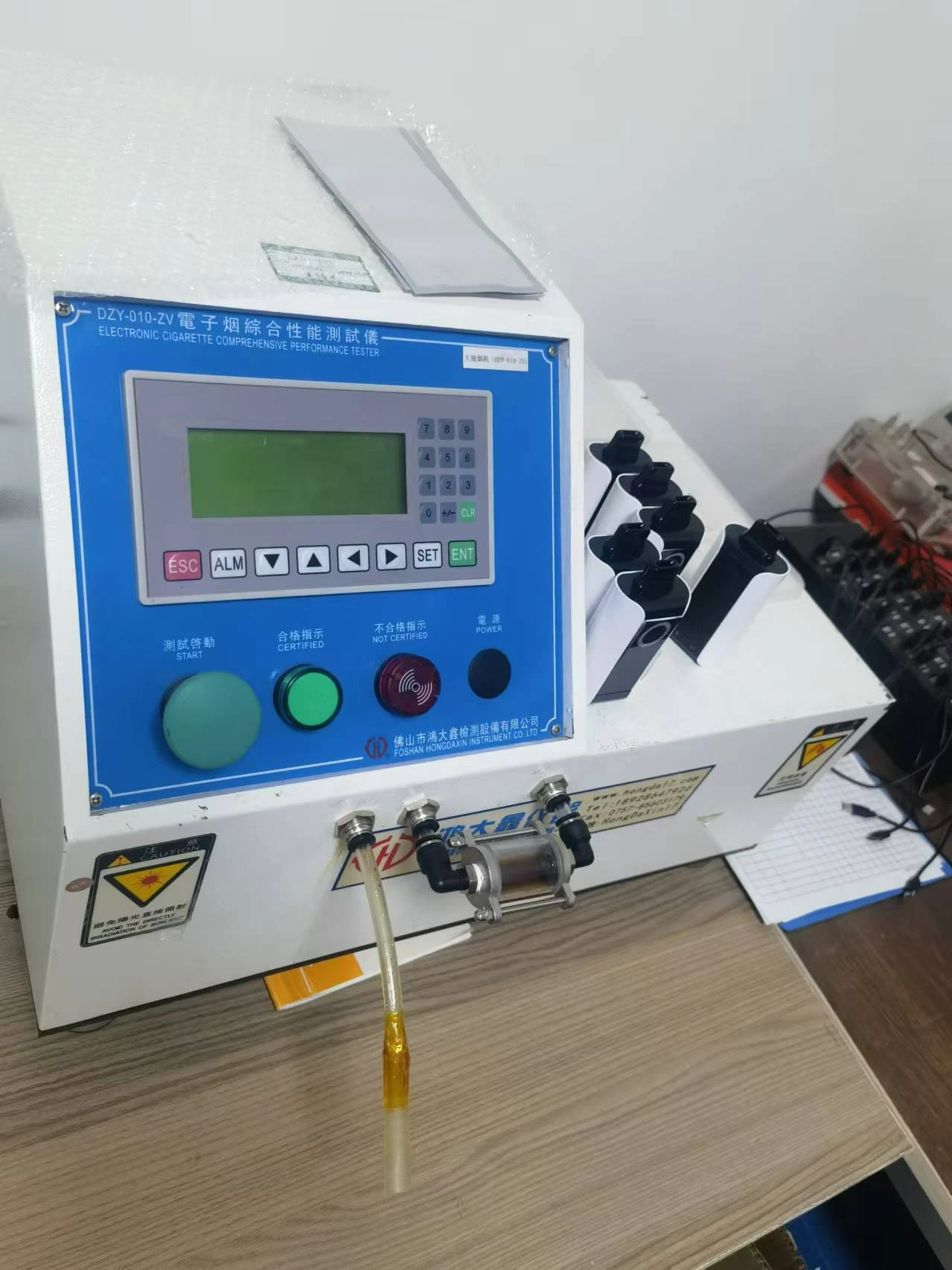
(what is disposable vape)
A: A disposable vape is a single-use e-cigarette pre-filled with e-liquid and a charged battery. It requires no maintenance, refilling, or recharging. Users discard it once the e-liquid or battery runs out.
A: Disposable vapes are designed for one-time use, while non-disposable (reusable) vapes allow refilling e-liquid and recharging batteries. Non-disposable devices cost more upfront but are cheaper long-term and eco-friendlier.
A: Disposable vapes are convenient but generate more waste and have higher long-term costs. Non-disposable vapes offer customization and sustainability but require maintenance. Choice depends on preference and usage habits.
A: No, disposable vapes are sealed and not designed for refilling. Attempting to add e-liquid may damage the device or cause leaks. For refillable options, choose a non-disposable vape.
A: Disposable vapes typically last 300-800 puffs, depending on battery and e-liquid capacity. Reusable vapes last longer with regular refills and charging but require ongoing upkeep.


Hit enter to search or ESC to close