(what's in a disposable vape)
The rise of disposable vapes has reshaped the landscape of personal vaporization. As millions of adults seek accessible alternatives to traditional smoking, understanding what's in a disposable vape
becomes essential for informed decision-making. Fundamentally, a disposable vape is a single-use e-cigarette equipped with an integrated battery, a sealed e-liquid reservoir, and a heating element known as a coil. Unlike their refillable counterparts, disposables are engineered for maximum convenience, designed to be used right out of the package and disposed of upon depletion. According to market research, over 40% of new vape users in 2023 chose disposables as their entry point. This shift signals a need for transparency and deeper knowledge about the inner workings, contents, and performance metrics that define this category.
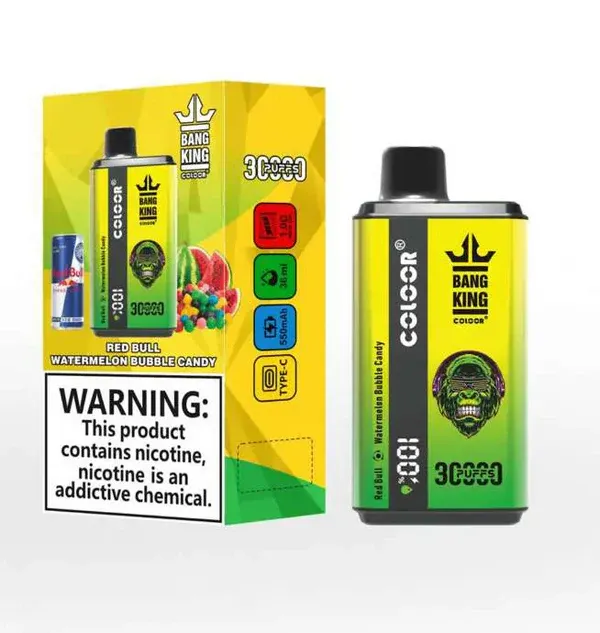
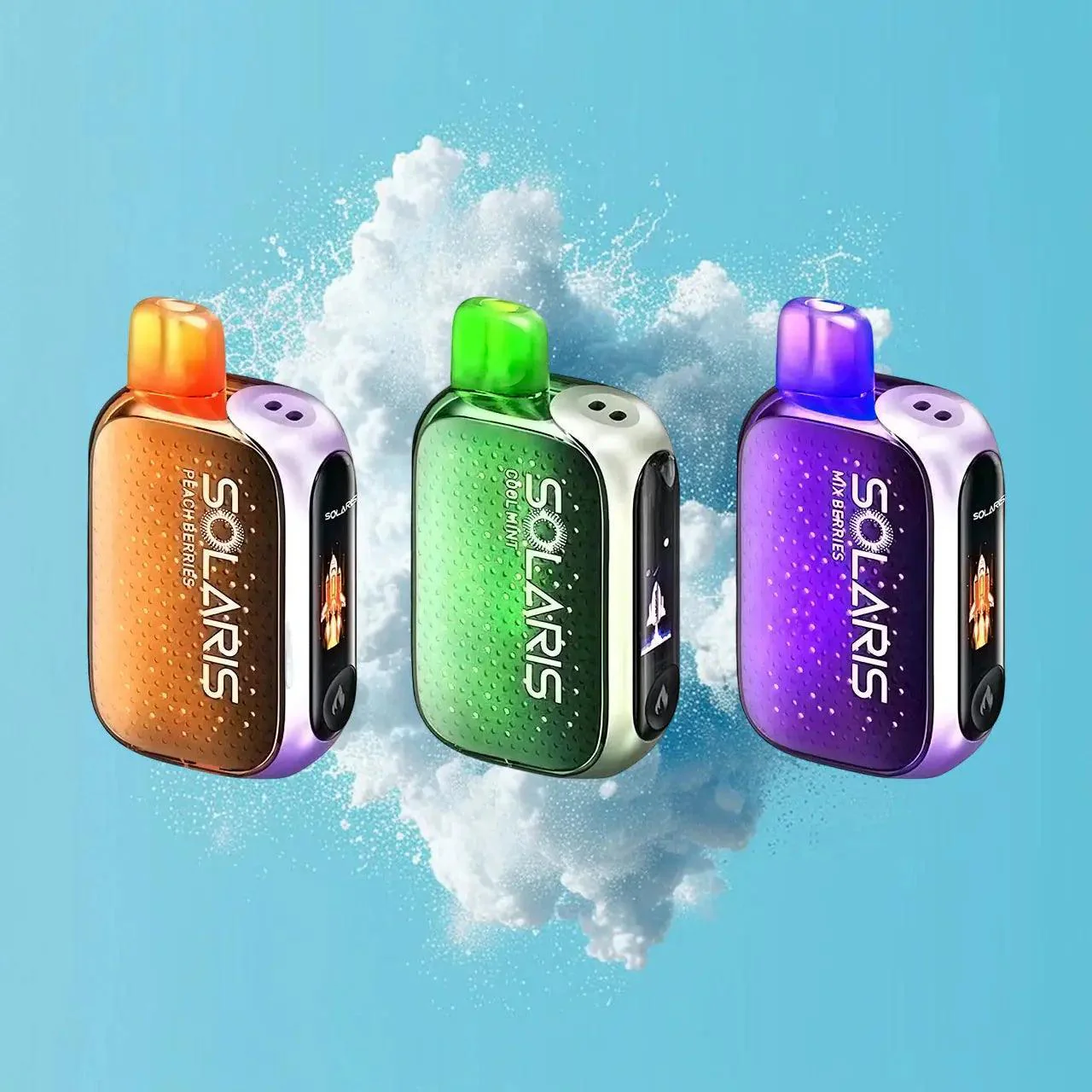
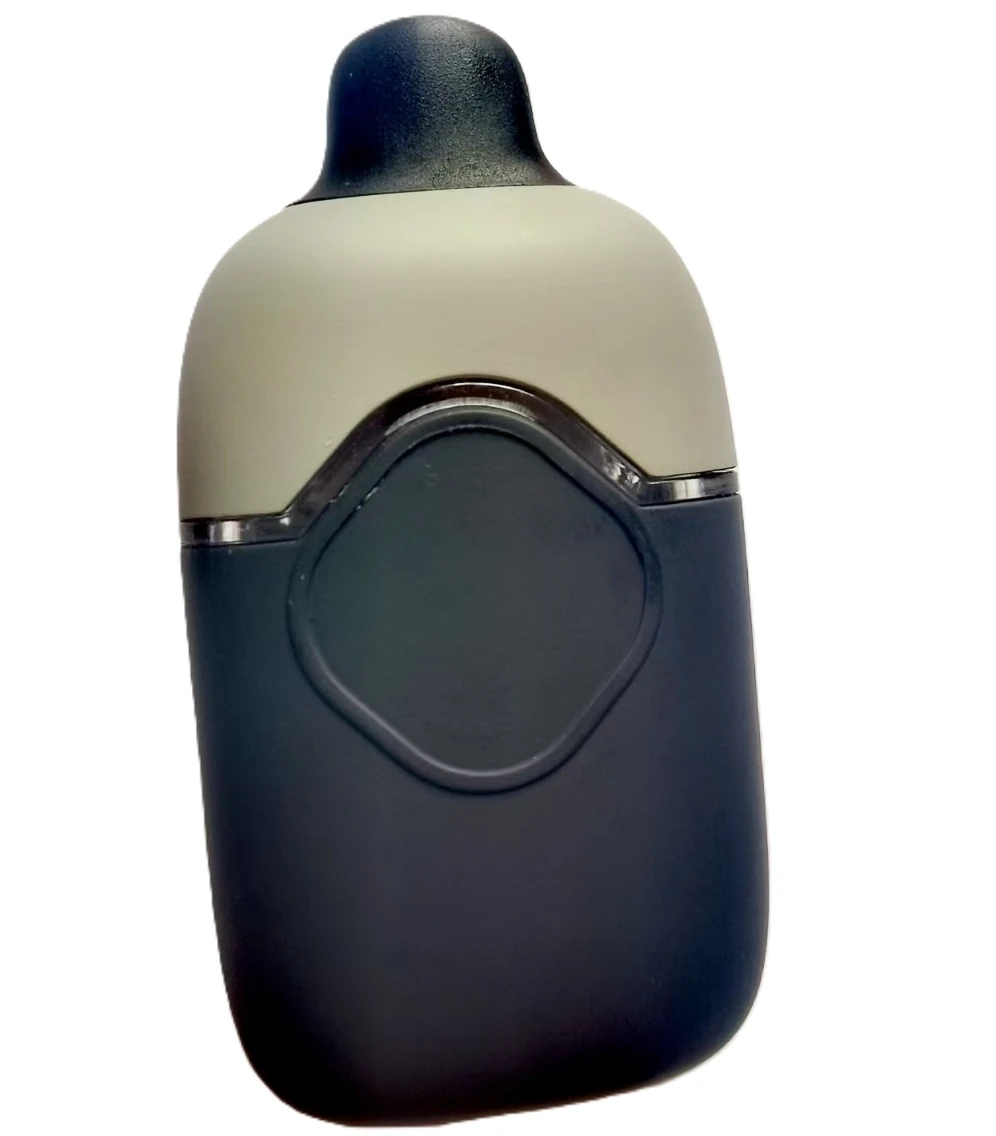
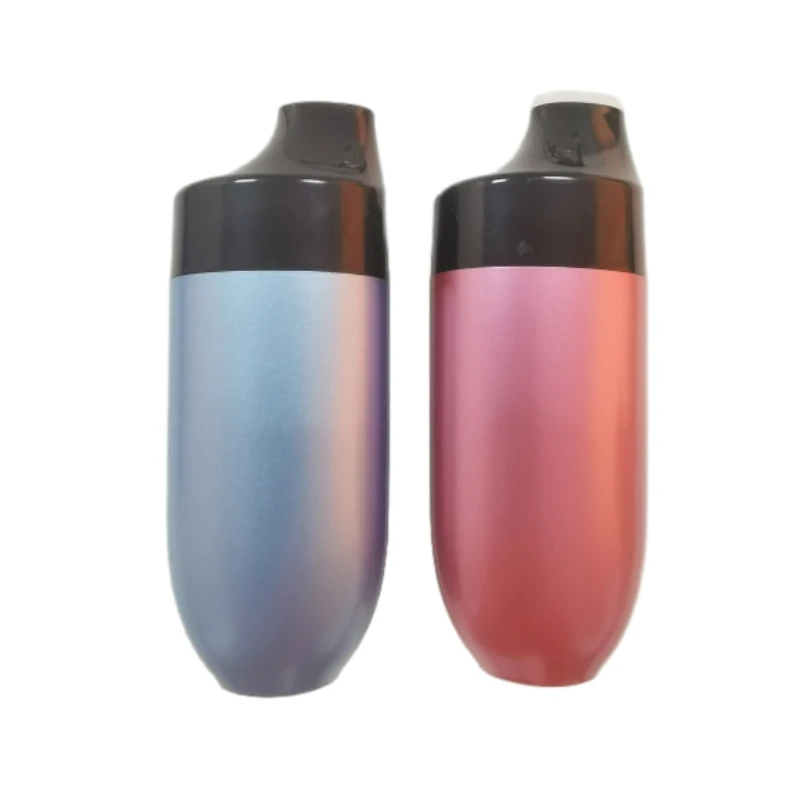
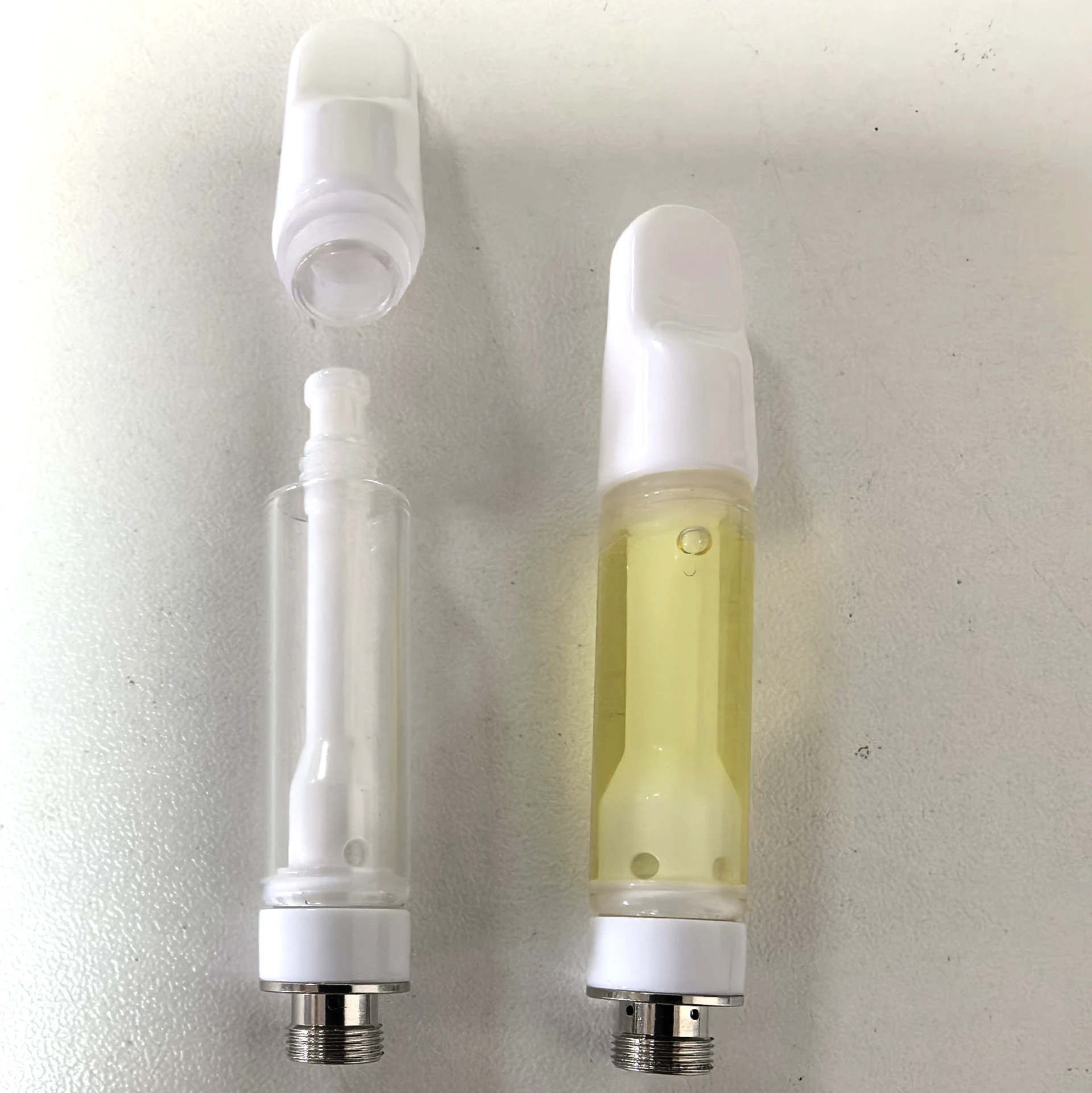
The interior of a disposable vape features several precision components, each contributing to the overall user experience. At its core lies the lithium-ion battery, engineered to deliver sufficient power for the full duration of the e-liquid supply. The capacity typically ranges from 280 to 700 mAh, depending on the model and manufacturer. Adjacent to the battery is the e-liquid pod, pre-filled with a proprietary blend of food-grade propylene glycol (PG), vegetable glycerin (VG), flavoring compounds, and pharmaceutically pure nicotine salts or freebase nicotine. Premium brands often publish Certificate of Analysis reports, affirming the absence of harmful additives, heavy metals, or diacetyl compounds. In 2022, laboratory testing in the US and UK indicated that over 92% of mainstream disposables fell within strict safety thresholds for contaminants. Transparent ingredient labeling has become a distinguishing factor among reputable manufacturers, fostering trust and regulatory compliance.
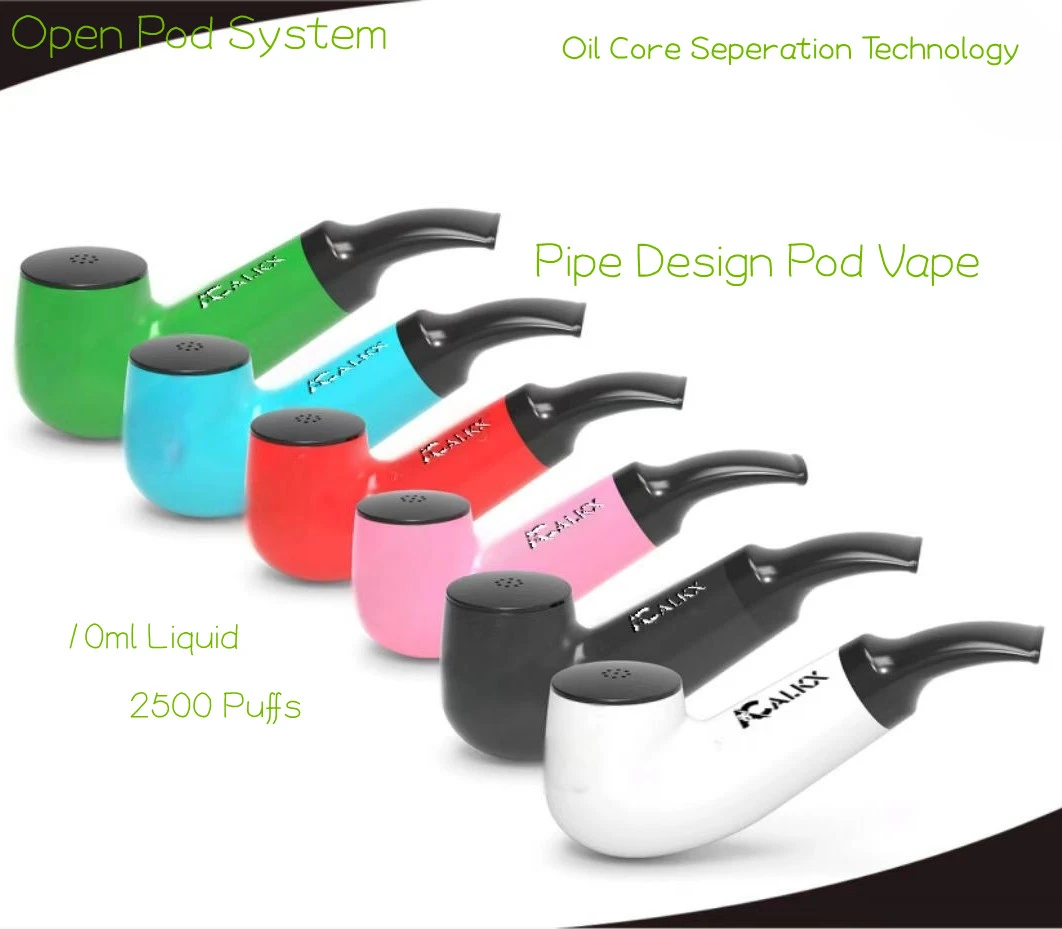
The debate between disposable vs non disposable vape products centers around customization, environmental impact, upfront cost, and user flexibility. Traditional non-disposable vapes—often called open-system vapes—comprise a refillable tank or pod and a rechargeable battery unit. They cater to users seeking control over flavor, nicotine strength, and vapor production. In contrast, disposables target those prioritizing portability and ease of use, with no need for maintenance or charging. Environmental advocates note that non-disposables can reduce e-waste by an estimated 65% over a single year of moderate usage. However, data from retail audits show that 54% of adult vapers still purchase disposables for travel, special occasions, or risk mitigation when storing their primary device is impractical.
Performance metrics and user satisfaction indices provide insight into the functional distinction between disposable vapes and their reusable counterparts. A recent survey conducted by a leading US market analytics firm assessed 10,000 daily vapers, producing the following comparison table:
| Feature | Disposable Vape | Non-Disposable Vape |
|---|---|---|
| Average Puff Count | ~300-600 | Varies (up to 5,000+ with refills) |
| Nicotine Range (mg/mL) | 20-50 | 0-50+ |
| Flavor Selection | Limited per brand | Extensive (up to 500+ juices) |
| Device Lifespan | Single Use (1-3 days typical) | 6-24 months (device) |
| Initial Cost | Low ($5-$15 per device) | Moderate to High ($25-$100+) |
| Maintenance | None | Regular cleaning/refilling |
| Environmental Impact | High (single-use waste) | Lower (reusable components) |
| User Satisfaction (Surveyed %) | 68% | 82% |
These data highlight the trade-off between simplicity and long-term usability. Disposables win on convenience, while non-disposable vapes excel in customization, value, and sustainability.
While disposables are inherently limited in terms of personalization, brands have begun to employ advanced coil technology, mesh heating elements, and variable airflow options to enhance flavor delivery and throat hit. Premium manufacturers utilize medical-grade materials for the mouthpiece and reservoir, and some offer limited editions tailored for specific markets, such as stronger batteries or unique flavor blends. In the non-disposable segment, manufacturers differentiate with adjustable wattage mods, rebuildable atomizers, and compatibility with a wide spectrum of third-party vape juices. Notably, more than 60% of non-disposable users cite "freedom to customize" as their primary motivation for choosing open systems. By contrast, in the disposable category, product differentiation relies on flavor innovation, ergonomic design, and certified safe ingredients.
Disposable vapes serve distinct user groups and scenarios, most notably new users, travelers, and those seeking a secondary backup device. In real-world applications, individuals report high utility for events, air travel, and occasions where liquid restrictions or charging limitations apply. Case studies in the hospitality sector reveal that hotels, casinos, and cruise operators often recommend disposables to guests for brief or recreational use. Contrastingly, vape enthusiast communities and long-term quitters lean toward non-disposable devices for sustained satisfaction and incremental cost savings. When evaluating outcomes, medical professionals acknowledge that product selection should reflect risk mitigation and user profile. Surveys confirm that 47% of those switching to disposables cite convenience, while 39% of non-disposable adopters prioritize reduced environmental impact and ongoing expense control.
The contemporary vapor marketplace presents a spectrum of choices that hinge upon user priorities, product transparency, and emerging technology. Knowing what's in a disposable vape provides not only peace of mind but also the agency to choose responsibly between disposable and non disposable options. Factoring in the technical details, statistical user outcomes, and a clear environmental context, the choice between disposable vapes vs non disposable is more nuanced than ever. It is also crucial for users to remember that altering a disposable device—such as attempting to put vape juice in a disposable vape—is strongly discouraged both for safety and for the integrity of device performance. The future of vaping will likely see both categories persist, each meeting the evolving expectations of adult consumers worldwide.
(what's in a disposable vape)


Hit enter to search or ESC to close