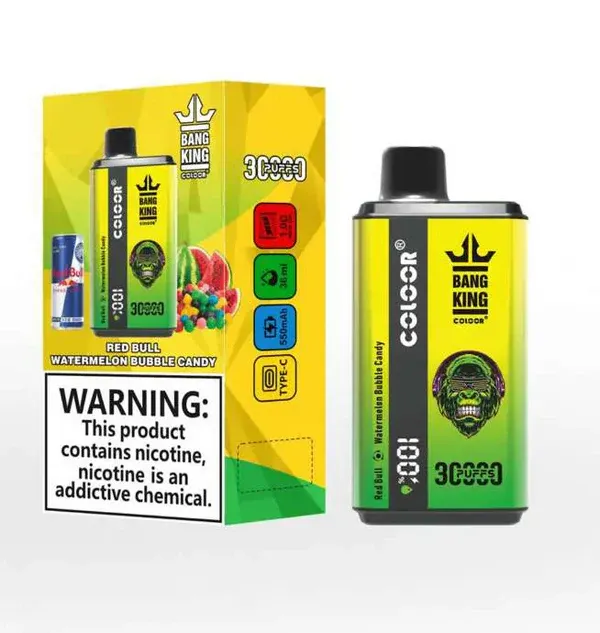
Understanding the Rechargeable E-Cigarette: Why It Matters Today
Rechargeable e-cigarettes have quietly but steadily reshaped how millions worldwide approach smoking alternatives. As a battery-powered device designed to vaporize nicotine or other substances, this gadget addresses a rapidly growing demand for convenience, cost efficiency, and reduced environmental impact compared to traditional tobacco products.
In real terms, the rechargeable e-cigarette represents more than just personal preference — it’s a point where technology, public health, and sustainability meet. The global momentum behind these devices reflects deeper shifts in consumer habits and regulatory landscapes, especially as countries aim to cut down on harmful tobacco use and its environmental footprint.
Mini takeaway: The rechargeable e-cigarette sits at a fascinating intersection of health innovation, eco-consciousness, and tech adoption, making it a device worth understanding beyond just the personal vape experience.
The Global Context: Why Rechargeable E-Cigarettes Are a Hot Topic
Worldwide, the push towards cleaner, healthier lifestyles has spawned a booming market for electronic nicotine delivery systems (ENDS) like rechargeable e-cigarettes. According to the World Health Organization (WHO), roughly 1.3 billion people smoked tobacco products as of recent surveys, but vaping alternatives have gained staggering traction in parts of Europe, North America, and Asia.
This surge is fueled by key challenges: tobacco-related diseases still claim over 8 million lives annually (WHO), while discarded cigarette butts remain the most littered waste globally, posing environmental hazards. Rechargeable e-cigarettes, which reduce smoke and waste, tie directly into both health and ecological challenges.
Oddly enough, even with strict regulations, the worldwide rechargeable e-cigarette industry was valued at over $20 billion USD in 2023 and is expected to grow more than 15% annually for the next several years (Statista). That tells you how seriously this relatively new consumer product is taken across continents.
Mini takeaway: From public health crises to environmental cleanup, rechargeable e-cigarettes emerge as a key player, offering tangible benefits where traditional tobacco falls short.
What Exactly Is a Rechargeable E-Cigarette?
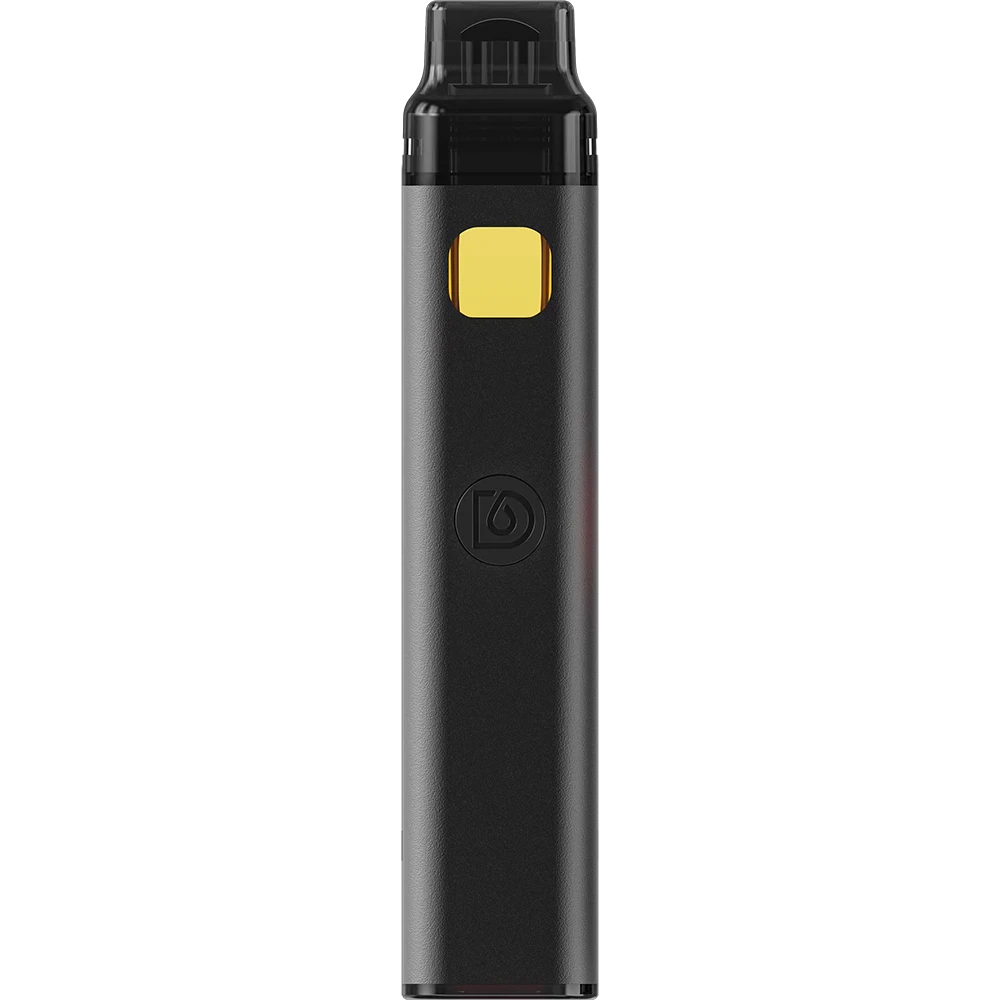
Put simply, a rechargeable e-cigarette is a handheld device that heats a liquid solution — often containing nicotine, flavorings, and other compounds — turning it into an inhalable vapor. Unlike disposable models, these devices come with internal batteries you recharge via USB or power adapters, which means less waste and more longevity per unit.
Technologically, they’re marvels of miniaturization: small battery packs, heating coils, sensors, and microcontrollers all work in tandem to deliver consistent vapor production. In broader terms, they fit neatly into modern lifestyle needs for portability, sustainability, and regulated nicotine intake.
Healthcare-wise, many see rechargeable e-cigarettes as harm reduction tools — not harmless, but potentially safer than combusting tobacco. And given their rise during a time when digital consumer electronics dominate, it’s no surprise that many users appreciate the sleek, often customizable designs.
Core Components That Make Rechargeable E-Cigarettes Tick
1. Battery Capacity and Efficiency
The rechargeable e-cigarette’s backbone is its lithium-ion or lithium-polymer battery, often ranging between 300 to 1500 mAh. Strong battery life means longer use between charges. Fast charging and USB-C ports are becoming standard, subtly raising user expectations.
2. Heating Element
The coil or ceramic heating element vaporizes the e-liquid. Quality coils mean better flavor and fewer burnt hits. Users often mention that the material and design of the heating element dramatically impact their satisfaction.
3. Cartridge or Tank System
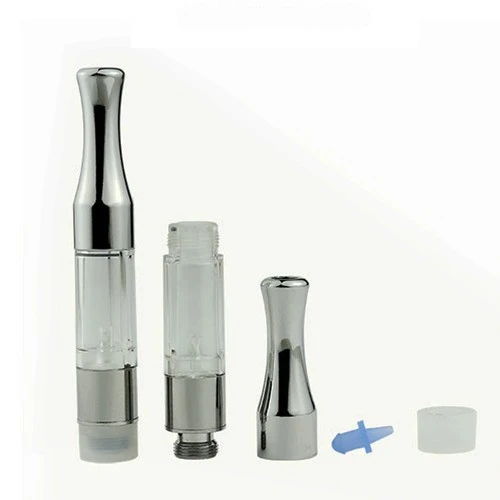
This holds the e-liquid or nicotine salt. Transparent tanks let users monitor fluid levels, reducing dry hits and leaks. Replaceable or refillable designs make a big difference for environmental and budget-conscious users.
4. Control and Sensor Technology
From manual buttons to automatic draw activation, modern devices incorporate sensors to optimize vapor production safely. Some e-cigarettes even communicate with smartphone apps for usage monitoring or custom settings — a neat crossover of IoT trends.
5. Durability and Build Materials
Aluminum alloys, stainless steel, and durable plastics keep the devices compact yet resilient. Water resistance and shockproof designs, though not universal, are gaining ground.
Mini takeaway: The rechargeable e-cigarette’s success depends on a delicate harmony between power, precision, and durability — and engineers are constantly fine-tuning these variables.
Real-World Applications: Who Uses Rechargeable E-Cigarettes and Why?
These devices have conquered various markets. For one, they provide a pragmatic way for smokers to transition away from combustible tobacco, reducing harmful smoke inhalations. For tech-savvy urban consumers, they double as lifestyle accessories, often with customizable skins and flavors.
In Europe and North America, regulatory frameworks acknowledge rechargeable e-cigarettes as reduced-risk products, leading to their increased adoption. Meanwhile, some Asian markets see rapid uptake due to cost savings and convenience, especially where disposable cigarettes are expensive or heavily taxed.
In experimental humanitarian contexts, rechargeable e-cigarettes have popped up as part of public health campaigns to reduce smoking rates in vulnerable populations. Additionally, their rechargeable nature means less waste in areas where disposable litter cleanup is difficult — a small but meaningful environmental win.
Mini takeaway: Whether for health, cost, or lifestyle reasons, rechargeable e-cigarettes serve diverse users globally — from individual vapers to public health organizations pushing harm reduction.
Advantages and Long-Term Value of Rechargeable E-Cigarettes
- Cost Efficiency: Over time, rechargeable e-cigarettes cost less than buying packs of cigarettes, especially with refillable e-liquids.
- Sustainability: Rechargeability cuts down on waste drastically compared to disposables and cigarette butts.
- Health Benefits: Though not risk-free, e-cigarettes expose users to fewer harmful chemicals than traditional tobacco.
- Convenience & Design: Portable, stealthy, and customizable — they fit modern on-the-go lifestyles.
- Innovation Drive: Ongoing improvements keep enhancing safety and user control.
Emotionally, many users feel a sense of control and dignity transitioning away from tobacco — which, frankly, counts for a lot when addiction can feel overwhelming.
Future Trends: What’s Next in Rechargeable E-Cigarette Technology?
Green energy integration is an emerging theme — wireless charging pads using renewable electricity, biodegradable or recyclable cartridge materials, and safer battery chemistries that minimize thermal risks.
Digital transformation continues: apps that track nicotine intake, cloud-connected devices for remote firmware updates, and AI-driven personalized vaping experiences are in development.
With sustainability now a global call to action (ISO and UN SDGs emphasize waste reduction), many manufacturers are aligning product designs accordingly to stay competitive.
Challenges and How the Industry Is Addressing Them
One big hurdle: battery longevity and safety. Some users report overheating or battery degradation after months of use, which manufacturers combat via improved cell construction and safety chips.
Regulatory complexity also poses challenges — differing country rules cause patchy market access and user confusion. Expert voices encourage standardized global frameworks balancing safety with innovation.
On user behavior, “dry puffs” or burnt hits remain a nuisance; smarter coil sensors and liquid quality controls aim to reduce this.
Rechargeable E-Cigarette Specifications: A Sample Product Comparison
| Feature |
iCool Vape Model X |
Brand Y Vaporizer |
Z-Tech Recharge |
| Battery Capacity |
1200 mAh |
1000 mAh |
1500 mAh |
| Charging Time |
45 min (USB-C Fast Charge) |
60 min (Micro USB) |
30 min (USB-C Fast Charge) |
| Tank Capacity |
2 ml |
1.8 ml |
2.5 ml |
| Material |
Aluminum Alloy |
Stainless Steel |
Aluminum + Ceramic |
| Smart Features |
App Connectivity, Auto Shutoff |
Manual Control Only |
Auto Draw, Firmware Updates |
Vendor Comparison: Who’s Leading the Rechargeable E-Cigarette Market?
| Company |
Market Reach |
Innovation |
Sustainability Efforts |
Price Range |
| iCool Vape |
Global, strong US & EU presence |
High (smart features) |
Yes, recyclable cartridges |
$40–$70 |
| Brand Y Vape Co. |
Regional (Asia focus) |
Medium (basic tech) |
Limited |
$25–$50 |
| Z-Tech Industries |
Global |
High (battery tech) |
Moderate, ongoing improvements |
$50–$80 |
FAQ: Answers to Common Rechargeable E-Cigarette Questions
Q: How long does a full battery charge typically last on a rechargeable e-cigarette?
A: Most rechargeable e-cigarettes offer usage times ranging from 4 to 12 hours depending on battery size, frequency of puffs, and device settings. Fast-charge features and power-saving modes can extend use between recharges.
Q: Are rechargeable e-cigarettes more eco-friendly than disposables?
A: Generally yes, because rechargeable devices and refillable tanks reduce plastic waste and battery disposal compared to single-use products. However, responsible recycling and e-liquid disposal matter for true sustainability.
Q: Can I customize flavors easily with rechargeable e-cigarettes?
A: Absolutely! Many rechargeable e-cigarettes use refillable cartridges or pods, allowing users to switch between a variety of e-liquids and nicotine strengths to suit their preferences.
Q: Is it safe to carry a rechargeable e-cigarette on airplanes?
A: Most airlines allow them in carry-on luggage but forbid use onboard. It’s best to check airline policies and pack devices with battery protection to prevent accidental activation during flights.
Q: How can I import rechargeable e-cigarettes for retail internationally?
A: Importing requires understanding local regulations, which vary widely. Partnering with qualified distributors, adhering to customs documentation, and complying with health and safety certifications are crucial steps.
Wrapping Up: Why Rechargeable E-Cigarettes Keep Gaining Ground
In the long run, rechargeable e-cigarettes represent a thoughtful blend of technological innovation and evolving consumer values. They respond to real needs — reducing addiction harms, minimizing environmental impact, and offering flexible, personal dosing. Though challenges remain, the pace of improvement and innovation is promising.
If you’re curious to explore the latest models or want to switch to rechargeable vaping, I invite you to check out rechargeable e cigarette options that blend performance with style. It feels like just the start of a vaping revolution that’s smarter, cleaner, and more user-friendly than ever.
Mini takeaway: The rechargeable e-cigarette isn’t just a gadget — it’s a small piece of global change, quietly rewriting how we think about nicotine and wellness.
References
- World Health Organization - Tobacco Facts
- ISO Standard on Electronic Cigarettes
- Statista - Vape Device Market Size