Why Rechargeable E-Cigarettes Are Gaining Momentum Worldwide
If you've noticed vape shops and online stores increasingly promoting rechargeable e-cigarettes, you're not alone. These devices are reshaping the vaping world—offering not just convenience but also sustainability and cost savings. Understanding rechargeable e-cigarettes is important globally because they represent a tech-forward approach to nicotine consumption that’s far more eco-friendly than disposable models, a factor that matters to increasingly conscientious consumers and policymakers alike.
And it’s not just about the environment or convenience—rechargeable e-cigarettes also address health concerns, user preferences, and economic factors, making them a critical part of the global shift towards smarter smoking alternatives.
Global Context: The Rising Influence of Rechargeable E-Cigarettes in the Vaping Industry
Around 3.6% of the world’s population — roughly 270 million people — regularly use electronic cigarettes, according to data compiled by researchers. The rise in rechargeable e-cigarettes parallels growing environmental awareness. For example, the World Bank warns about electronic waste worldwide, which includes disposable vape pens, growing at an alarming rate.
The challenge? How to reduce waste while keeping up with demand. Rechargeable e-cigarettes step in as a viable answer given their reusable batteries and refillable liquid pods, thereby reducing plastic and hazardous waste. In regions with stricter environmental regulations — like the EU and parts of North America — this shift is particularly pronounced.
Simply put: the industry’s moving toward devices that empower users while lightening environmental loads.
What Exactly Are Rechargeable E-Cigarettes?
At their core, rechargeable e-cigarettes are vaping devices powered by lithium-ion or similar rechargeable batteries. Unlike disposable e-cigs, rechargeable models allow users to reload e-liquid cartridges or pods and power the device back up after use. Think of them as your everyday gadget — like a smartphone — in terms of rechargeable convenience.
They serve a dual purpose: offering a tailored vaping experience through multiple settings and flavors, and assisting public health by potentially reducing harmful cigarette use.
Their importance extends beyond consumer satisfaction — they tie into modern tech industries (battery innovations, material sciences) and respond to humanitarian concerns about pollution and waste management.
Core Components That Define Rechargeable E-Cigarettes
1. Battery Life and Durability
The heartbeat of any rechargeable e-cigarette is its battery. Most devices use lithium-ion cells that can last a full day or more depending on usage. Engineers have been pushing battery durability, so some advanced devices now boast fast-charging features and longer life spans for repeated cycles — something vital for daily vapers.
2. E-Liquid Refill System
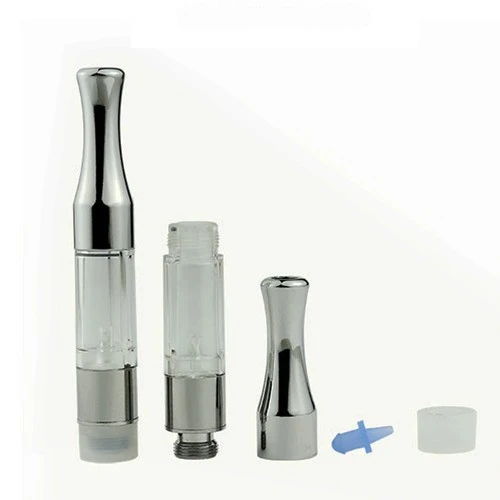
Refillable pods or tanks let users customize flavors and nicotine strengths. This modular system encourages sustainability since less plastic gets tossed out compared to disposables. Plus, flavor variety keeps users engaged, helping many transition away from traditional cigarettes.
3. Device Design & User Interface
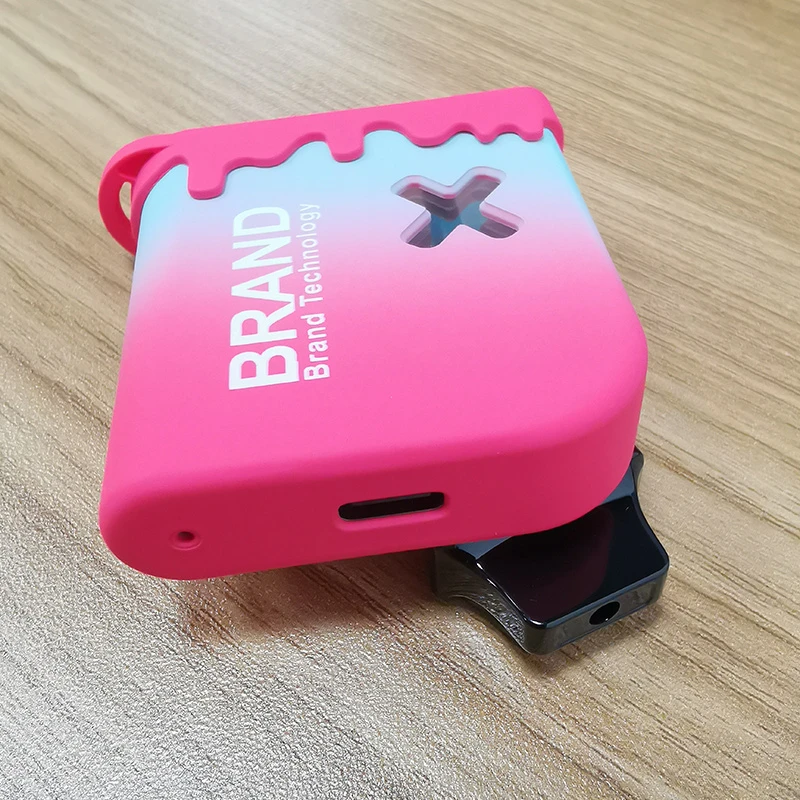
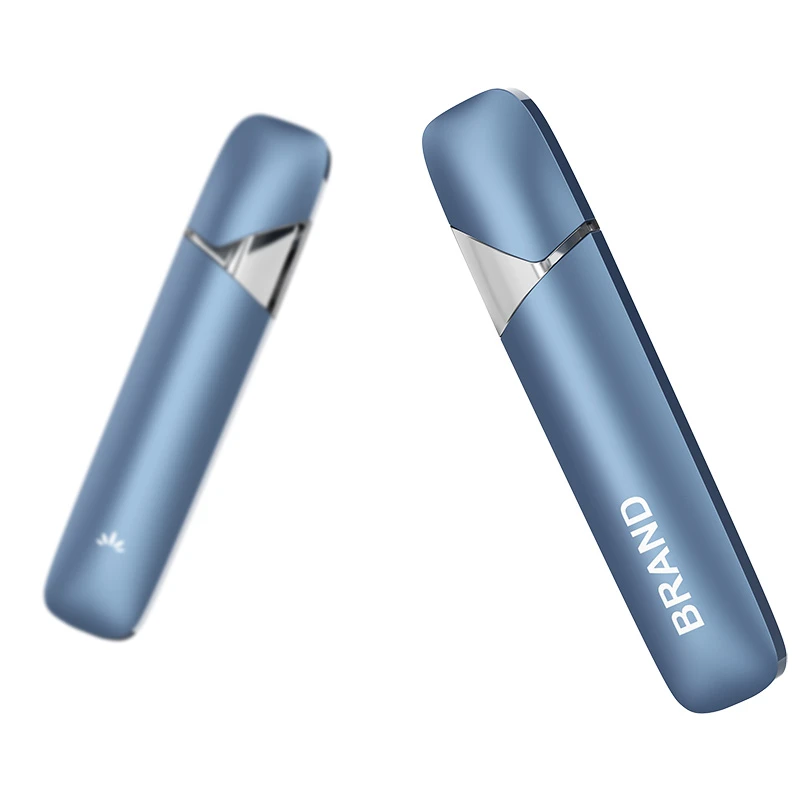
Sleek, ergonomic shapes combined with LED indicators or OLED screens make usage intuitive. Some models feature adjustable wattage and temperature, which alters vapor density — a little something that enthusiasts appreciate. It’s a delicate balance of form meeting function.
4. Safety Features
Auto shut-off, short-circuit protection, and overcharge prevention are now standards. These elements catch potential faults before they become hazardous — reassuring users that the device is safe and reliable.
Practical Specs: Typical Rechargeable E-Cigarette
| Feature |
Specification |
| Battery Capacity |
1200-2000 mAh rechargeable lithium-ion battery |
| Charging Time |
1.5 to 3 hours (via USB-C or Micro USB) |
| E-liquid Capacity |
2 to 5 ml refillable pods or tanks |
| Weight |
50 to 100 grams |
| Adjustable Settings |
Wattage, temperature controls (in some models) |
Who’s Using Rechargeable E-Cigarettes and Why?
Rechargeable e-cigarettes aren’t just a fad among urban millennials—they span across continents and demographics. In Europe and North America, they often replace traditional cigarettes for health-conscious smokers or vapers. In Asia, where vaping regulations vary widely, many manufacturers are pioneering affordable refillable models. Even humanitarian organizations eye rechargeable vaping devices as a harm-reduction tool in marginalized communities where combustion tobacco is prevalent.
For example, in some parts of Southeast Asia and the Caribbean, NGOs have distributed rechargeable e-cigarettes to help smokers quit combustible products, tying in public health with sustainability goals. Oddly enough, the vaping sector has become intertwined with sustainability efforts in some cities due to its potential to cut down on cigarette butt litter, one of the world’s most common pollutants.
Comparing Top Vendors of Rechargeable E-Cigarettes
| Vendor |
Device Variety |
Battery Life |
Price Range |
Unique Features |
| CoolVape |
Multiple models, from beginner to pro |
Up to 24 hours |
$30 - $80 |
Smart LED indicators, rapid charging |
| VapeMasters |
Highly customizable mods |
12-18 hours |
$50 - $120 |
OLED displays, temp control |
| EcoVape |
Basic, eco-friendly models |
16-20 hours |
$25 - $60 |
Biodegradable pods, recycled materials |
Why Do Rechargeable E-Cigarettes Matter: Advantages & Long-Term Impact
- Cost Efficiency: Over time, the ability to recharge and refill greatly reduces total user expense compared to disposables.
- Environmental Benefits: Less electronic and plastic waste helps fight pollution—a huge societal win.
- User Empowerment: Adjustable settings and pod choices give a personalized experience, enhancing satisfaction and potentially supporting quitting traditional cigarettes.
- Safety and Reliability: Advanced safety features reduce risks, offering peace of mind to users and families.
In real terms, it feels like rechargeable e-cigarettes are not only practical tech but a kind of social innovation that balances personal choice with corporate responsibility and environmental care.
Emerging Trends Shaping the Future of Rechargeable E-Cigarettes
Looking ahead, new materials like graphene batteries are under research, promising faster charging and longer life. Integration of IoT tech—smartphone apps that track usage patterns or suggest safer nicotine levels—is already underway. Governments around the world are also considering stricter waste disposal policies for vape products, which will likely accelerate the popularity of rechargeable solutions.
The green push is big: biodegradable pods, more recycled components, and energy-efficient manufacturing are expected to define next-gen models.
Challenges and Their Clever Fixes
Despite the benefits, rechargeable e-cigarettes come with challenges, including battery degradation after many cycles, potential device complexity for newcomers, and variable local regulations that can confuse users.
Experts suggest robust customer education and standardization in charging ports to ease user hurdles. Also, advances in battery tech and modular designs make device maintenance easier. For regulatory issues, manufacturers often collaborate with governments to create clear guidelines and compliance standards — a necessary “trust-building” effort.
Frequently Asked Questions About Rechargeable E-Cigarettes
Q1: How long can a rechargeable e-cigarette battery last before needing replacement?
A typical rechargeable battery lasts about 300-500 full charging cycles, which roughly equates to 1-2 years depending on usage. Proper care, like avoiding overcharging, can extend its lifespan.
Q2: Are rechargeable e-cigarettes more expensive initially than disposables?
Yes, the upfront cost is higher, but because you only refill e-liquid and recharge the battery, the long-term cost is significantly lower than repeatedly buying disposables.
Q3: Can I travel internationally with my rechargeable e-cigarette battery?
Generally, yes. However, airline regulations require batteries to be in carry-on luggage and not checked in. It's best to check specific airline policies before traveling.
Q4: Is it possible to use rechargeable e-cigarettes as a full substitute for traditional smoking?
Many users have successfully switched from traditional cigarettes to rechargeable e-cigarettes, benefiting from potentially reduced harm, though individual results vary. Consulting health professionals is recommended for smokers looking to quit.
In Summary: Why Invest in Rechargeable E-Cigarettes Today?
Rechargeable e-cigarettes merge technology and sustainability, offering a practical and reasonably green alternative to traditional smoking and disposable vapes. For users looking for long-term savings, enhanced user experience, and a smaller ecological footprint, these devices are a compelling choice.
Curious to explore the latest in rechargeable vaping technology? Visit our website for detailed products and expert advice.
References
- Wikipedia - E-cigarette
- World Bank - Environment and Pollution
- ISO Standards for Electronic Devices