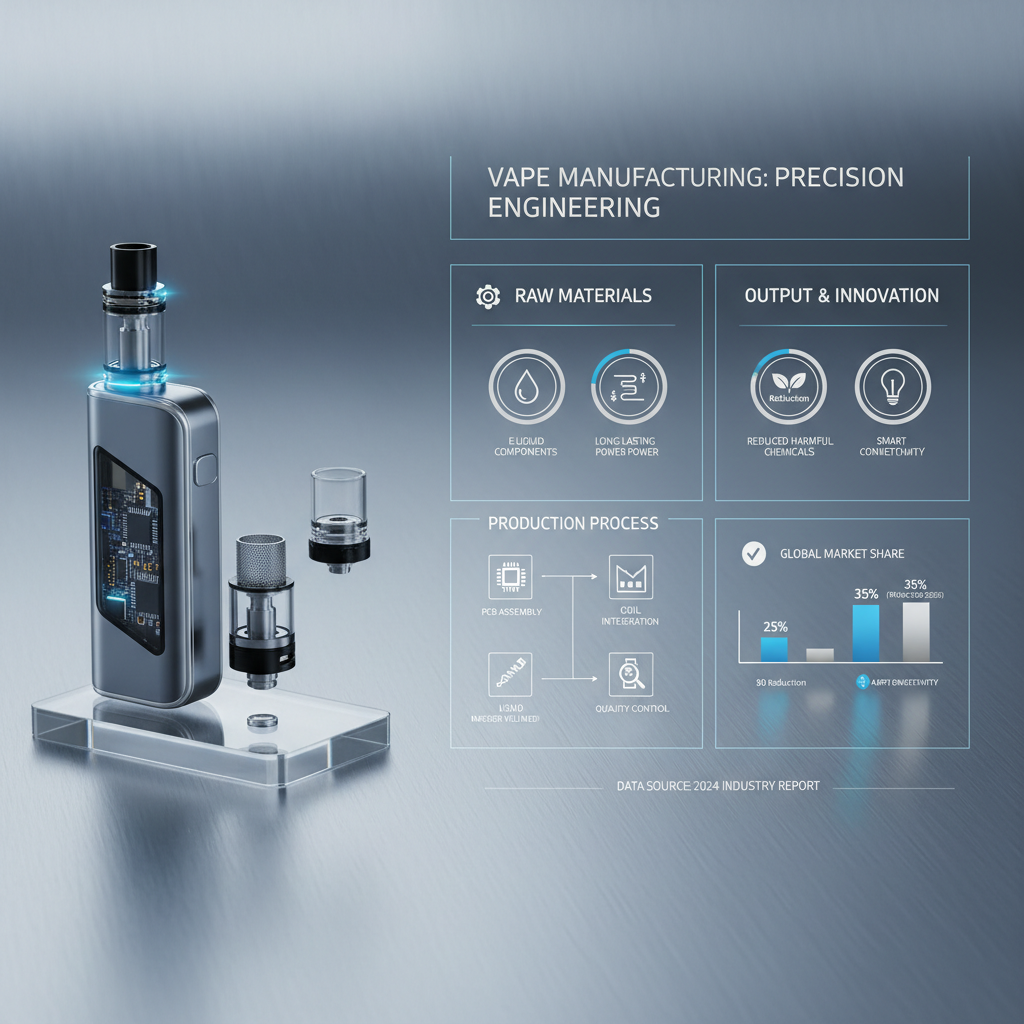
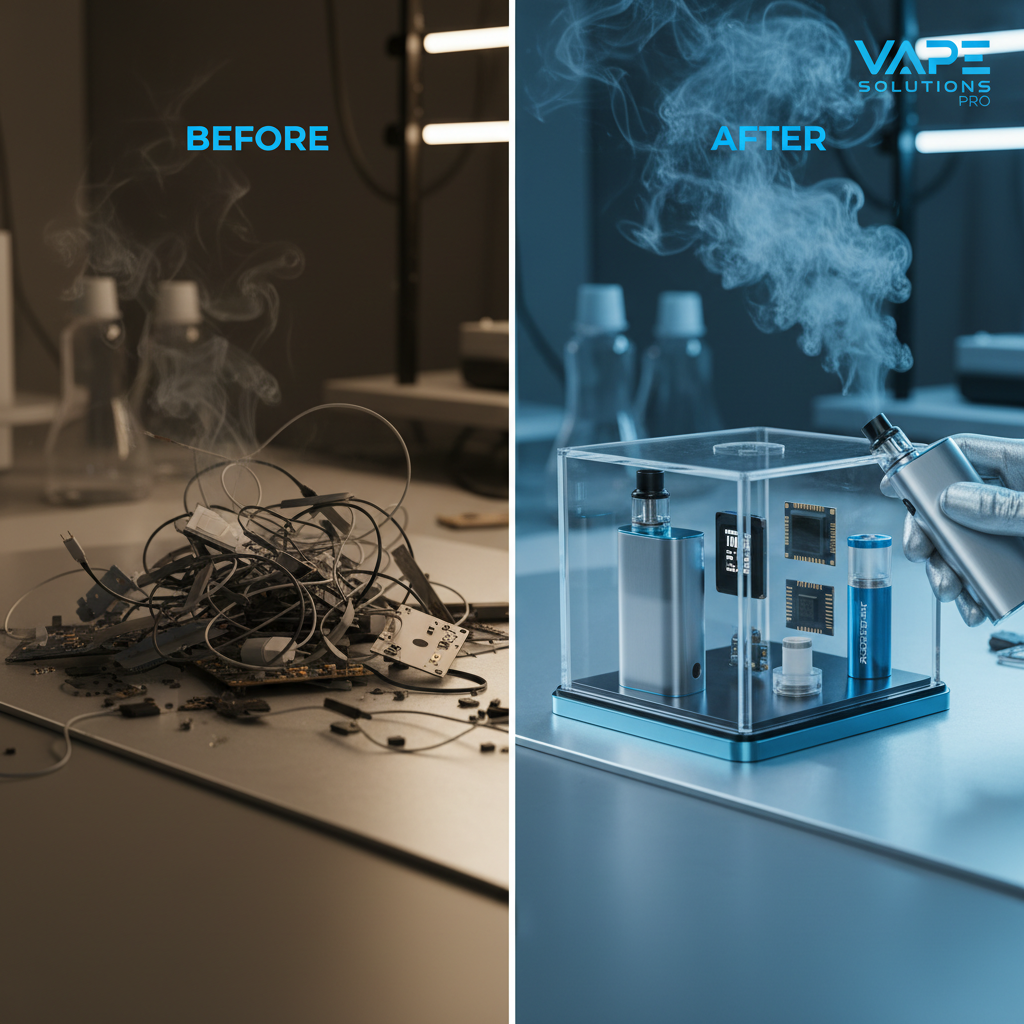
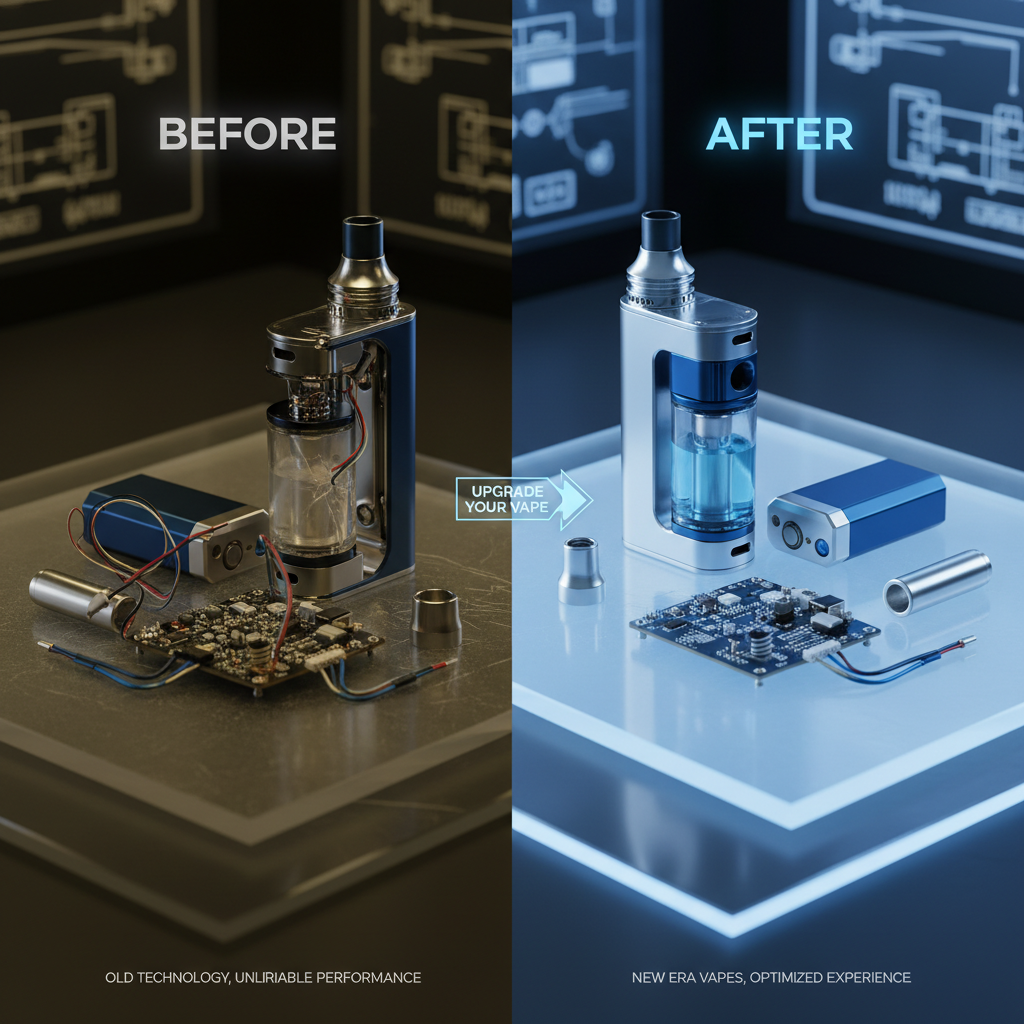
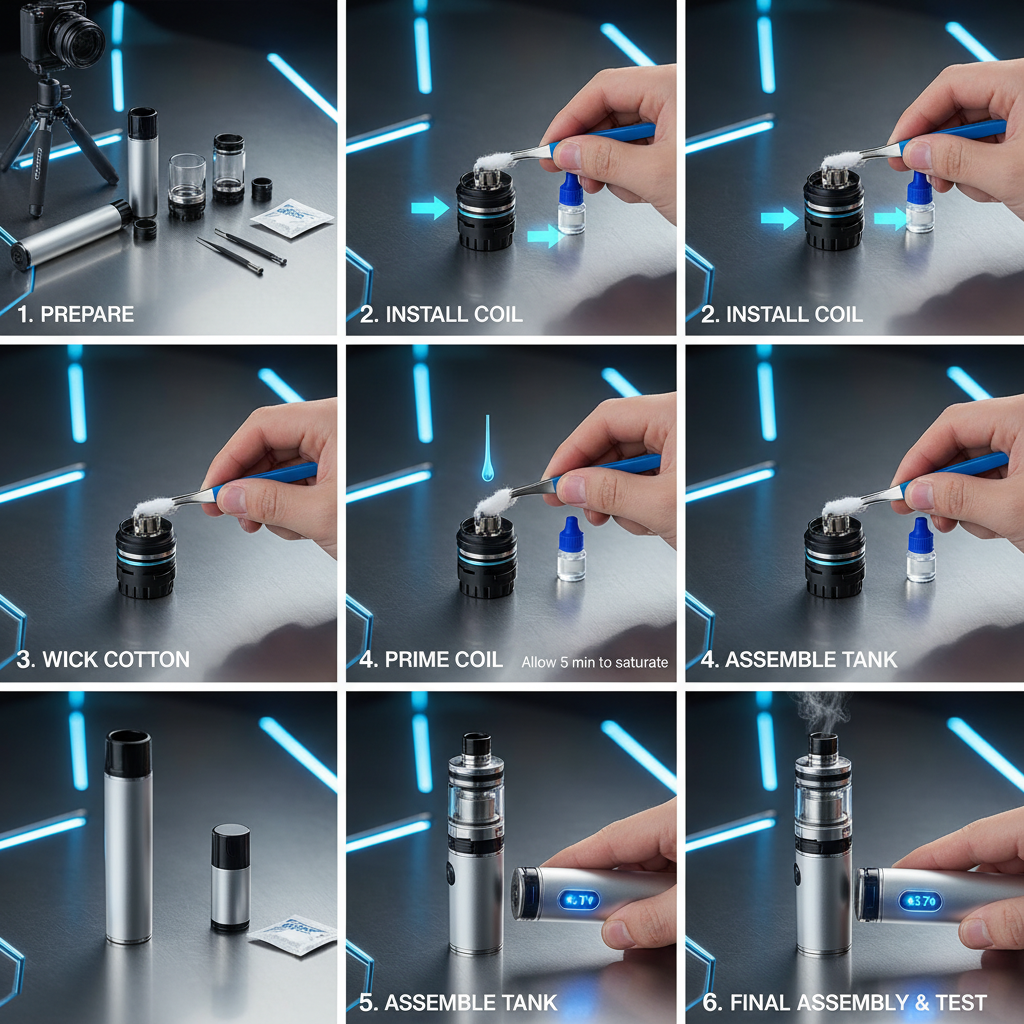
Vape manufacturing, encompassing the design, production, and quality control of electronic cigarettes and related devices, has rapidly evolved into a significant global industry. Driven by the increasing demand for alternatives to traditional tobacco products, this sector presents unique opportunities and challenges. The intricacies of vape manufacturing range from advanced component sourcing and precision engineering to stringent regulatory compliance and evolving consumer preferences. Understanding these elements is crucial for both established players and emerging businesses looking to innovate and thrive in this dynamic market.
The global relevance of vape manufacturing stems from its impact on public health, economic growth, and technological advancement. With a market value projected to reach billions in the coming years (data from market research firms like Grand View Research), the industry contributes significantly to employment and innovation in numerous countries. However, it also faces scrutiny regarding product safety, marketing practices, and potential underage usage, necessitating a robust and responsible manufacturing approach.
Successfully navigating the complexities of vape manufacturing demands a thorough understanding of the production processes, materials science, and regulatory landscapes. This knowledge base empowers manufacturers to deliver high-quality, safe, and compliant products that meet the evolving needs of consumers while addressing broader societal concerns. The need for standardization and ethical production within vape manufacturing is paramount.
Introduction to Vape Manufacturing
Vape manufacturing isn’t simply assembling components; it’s a complex process demanding precision, quality control, and adherence to stringent regulations. From initial design and prototyping to large-scale production and packaging, each stage requires specialized expertise and advanced technologies. The industry continually adapts to evolving consumer preferences and advancements in battery technology, e-liquid formulations, and device designs. vape manufacturing processes are constantly being refined.
The scope of vape manufacturing extends beyond the production of the vaping devices themselves. It includes the sourcing of raw materials – metals, plastics, electronic components, and e-liquid ingredients – and the meticulous quality assurance procedures necessary to ensure product safety and performance. Effective supply chain management and robust quality control are vital to maintaining consistent standards and building consumer trust within this highly competitive sector.
Defining Vape Manufacturing
Vape manufacturing refers to the complete process of creating electronic cigarettes (e-cigarettes) and vaping devices. This encompasses everything from the initial conceptualization and design of the device to the final assembly, packaging, and distribution. It involves both hardware and software components, including the battery, heating element, tank or pod, and the electronic circuitry that controls the device's operation.
The process differs significantly from traditional cigarette manufacturing. Instead of tobacco combustion, vape manufacturing focuses on aerosolizing a liquid, typically containing nicotine, flavorings, and other chemicals, using a battery-powered heating element. This distinction has driven the demand for specialized manufacturing techniques and materials.
In the modern industrial landscape, vape manufacturing represents a convergence of electronics, materials science, and consumer product design. It’s an industry that requires both automated processes for efficiency and skilled labor for quality control and innovation. Its connection to public health necessitates a commitment to responsible manufacturing practices and stringent adherence to safety standards.
Core Components of Vape Manufacturing
Several key aspects underpin successful vape manufacturing. Material Quality is paramount, necessitating the use of food-grade plastics, medical-grade stainless steel, and high-performance battery cells. The consistency and purity of these materials directly impact the safety and longevity of the final product.
Precision Engineering is vital for ensuring the proper functioning of the heating element and airflow mechanisms. Tolerance levels must be extremely tight to prevent leaks, overheating, or inconsistent vapor production. Advanced machining and assembly techniques are essential for meeting these demands.
Regulatory Compliance presents a significant hurdle for vape manufacturers. Navigating the complex web of regulations regarding nicotine content, labeling requirements, and product safety testing requires dedicated resources and expertise. Failure to comply can result in hefty fines or product recalls. Scalability and the ability to quickly adjust to market demands is also essential, as the vape industry experiences rapid shifts in consumer preferences. Cost Efficiency plays a vital role in maintaining competitiveness, necessitating optimized production processes and strategic sourcing of materials, and Quality Control ensures consistent performance and safety.
Global Applications of Vape Manufacturing
Vape manufacturing is a global enterprise, with production centers strategically located in regions offering cost advantages, skilled labor, and favorable regulatory environments. China remains the dominant force in vape manufacturing, supplying a significant portion of the world’s vaping devices. However, other countries, including the United States, Vietnam, and Poland, are increasingly establishing their own manufacturing capabilities.
The applications of vape manufacturing extend beyond consumer markets. Research institutions utilize vaping technology for studies related to nicotine delivery systems and harm reduction. In some regions, vape manufacturing facilities serve as economic drivers, creating jobs and stimulating local economies.
While primarily focused on developed nations, the demand for vaping products is growing in emerging markets, creating opportunities for vape manufacturing companies to expand their global reach. For example, in regions undergoing shifts away from traditional tobacco, vaping products are seen as a potentially less harmful alternative, driving demand and requiring localized manufacturing or distribution networks.
Vape Manufacturing Efficiency Comparison
Advantages and Long-Term Value
The advantages of optimized vape manufacturing extend beyond mere profitability. Cost efficiency, achieved through streamlined production processes and strategic sourcing, enables manufacturers to offer competitive pricing, expanding market reach. Sustainability, increasingly important to consumers, can be enhanced through responsible material sourcing and waste reduction programs.
The long-term value lies in building brand trust and establishing a reputation for quality and safety. Investing in robust quality control measures and adhering to stringent regulatory standards fosters consumer confidence, leading to brand loyalty and repeat business. This also ensures minimal product recalls and negative publicity. Responsible manufacturing builds a foundation for enduring success in this evolving industry.
Future Trends in Vape Manufacturing
The future of vape manufacturing is poised for significant innovation. The integration of automation and robotics will likely increase production efficiency and reduce labor costs. The development of new materials, such as biodegradable plastics and advanced battery technologies, will drive sustainability and enhance performance.
Digital transformation, including the implementation of Industry 4.0 technologies like IoT and AI, will enable real-time monitoring of production processes, predictive maintenance, and data-driven optimization. Furthermore, the increased focus on closed-system vaping devices will necessitate new manufacturing techniques and quality control protocols.
Challenges and Solutions in Vape Manufacturing
One of the primary challenges facing vape manufacturing is maintaining consistent quality across large-scale production. Counterfeit products and substandard components pose a significant threat to consumer safety and brand reputation. Implementing robust supply chain traceability systems and rigorous quality control protocols are crucial solutions.
Another challenge is navigating the ever-changing regulatory landscape. Manufacturers must stay abreast of evolving regulations and adapt their processes accordingly. Collaboration with industry associations and proactive engagement with regulatory bodies can help shape policies that promote both innovation and public health.
Addressing the environmental impact of vape manufacturing is also essential. Implementing sustainable sourcing practices, reducing waste, and exploring recyclable materials are key steps toward a more environmentally responsible industry. Investing in research and development of eco-friendly materials can also mitigate these challenges.
Key Performance Indicators in Vape Manufacturing
| Manufacturing Process |
Quality Control Score (1-10) |
Production Cost per Unit ($) |
Lead Time (Days) |
| Automated Assembly Line |
9 |
1.20 |
5 |
| Semi-Automated Assembly |
7 |
1.50 |
7 |
| Manual Assembly |
6 |
2.00 |
10 |
| Component Sourcing (China) |
8 |
0.80 |
14 |
| Component Sourcing (USA) |
9 |
1.50 |
7 |
| E-Liquid Blending |
7 |
0.30 |
3 |
FAQS
Quality control in vape manufacturing involves rigorous testing at each stage. This includes component inspection, leak testing, battery safety checks, e-liquid purity analysis, and performance testing of the finished device. Automated testing systems are increasingly used to ensure consistency and accuracy. These checks help mitigate risks associated with substandard components or manufacturing defects, ultimately ensuring product safety and user satisfaction. Furthermore, adherence to ISO standards is crucial for demonstrating a commitment to quality.
Regulatory compliance is paramount in vape manufacturing. Different countries and regions have varying regulations regarding nicotine content, labeling requirements, product safety standards, and marketing practices. Failure to comply can result in significant penalties, including fines, product recalls, and legal action. Manufacturers must invest in understanding and adhering to these regulations to operate legally and maintain consumer trust. Staying updated on evolving laws is crucial for long-term sustainability.
Sourcing materials for vape manufacturing presents several challenges. Ensuring the quality and purity of e-liquid ingredients, obtaining reliable battery cells, and securing consistent supplies of food-grade plastics and medical-grade stainless steel are key concerns. Geopolitical factors, supply chain disruptions, and price fluctuations can also impact sourcing strategies. Building strong relationships with reputable suppliers and implementing robust traceability systems are essential for mitigating these risks.
Optimizing production costs in vape manufacturing requires a multi-faceted approach. Streamlining production processes through automation, negotiating favorable pricing with suppliers, implementing lean manufacturing principles, and minimizing waste are all effective strategies. Investing in efficient equipment and training personnel to maximize productivity can also contribute to cost savings. Strategic sourcing and volume purchasing can further reduce material costs.
Automation is playing an increasingly significant role in modern vape manufacturing. Automated assembly lines, robotic component placement, and automated testing systems enhance production efficiency, reduce labor costs, and improve product consistency. Automation also minimizes human error and allows for greater precision in manufacturing processes. As technology advances, the level of automation in vape manufacturing is expected to continue increasing.
Sustainability initiatives in vape manufacturing are gaining momentum. Manufacturers are exploring the use of biodegradable plastics, recyclable packaging materials, and sustainable sourcing practices for e-liquid ingredients. Reducing energy consumption, minimizing waste, and implementing responsible disposal programs are also key priorities. Some companies are even investing in carbon offset programs to mitigate their environmental impact.
Conclusion
In conclusion, vape manufacturing represents a dynamic and evolving industry with significant global implications. From its complex production processes and stringent regulatory requirements to its potential for innovation and sustainability, understanding the intricacies of this sector is crucial for success. Prioritizing quality control, regulatory compliance, and responsible manufacturing practices are essential for building brand trust and ensuring consumer safety.
Looking ahead, continued investment in research and development, automation, and sustainable materials will be key to unlocking the full potential of vape manufacturing. By embracing innovation and prioritizing ethical considerations, the industry can contribute to a more responsible and sustainable future for vaping products. For more insights and advanced manufacturing solutions, visit our website: www.uvapelab.com.