The world of vape supply is a rapidly evolving landscape, driven by technological advancements and changing consumer preferences. From the core components like e-liquids and hardware to the accessories and regulatory aspects, understanding this domain is crucial for businesses, consumers, and policymakers alike. A robust and reliable vape supply chain ensures access to safe and quality products, fostering innovation and supporting a growing industry. This comprehensive exploration will delve into the intricacies of vape supply, offering insights into its key components, applications, and future trends.
Globally, the vape industry has experienced significant growth, estimated at over $20 billion in 2023 (source: Statista). This expansion necessitates a complex and efficient vape supply network, encompassing manufacturing, distribution, and retail. However, challenges such as regulatory uncertainty, counterfeit products, and ethical sourcing pose considerable risks. Addressing these concerns requires a proactive approach focused on standardization, quality control, and responsible business practices throughout the vape supply chain.
Ultimately, a thorough understanding of vape supply enables informed decision-making, promotes product safety, and supports sustainable growth within the vaping community. Whether you are a retailer seeking reliable suppliers, a consumer looking for quality products, or a regulator aiming to establish effective guidelines, this exploration aims to provide valuable insights into this dynamic industry.
Introduction to Vape Supply
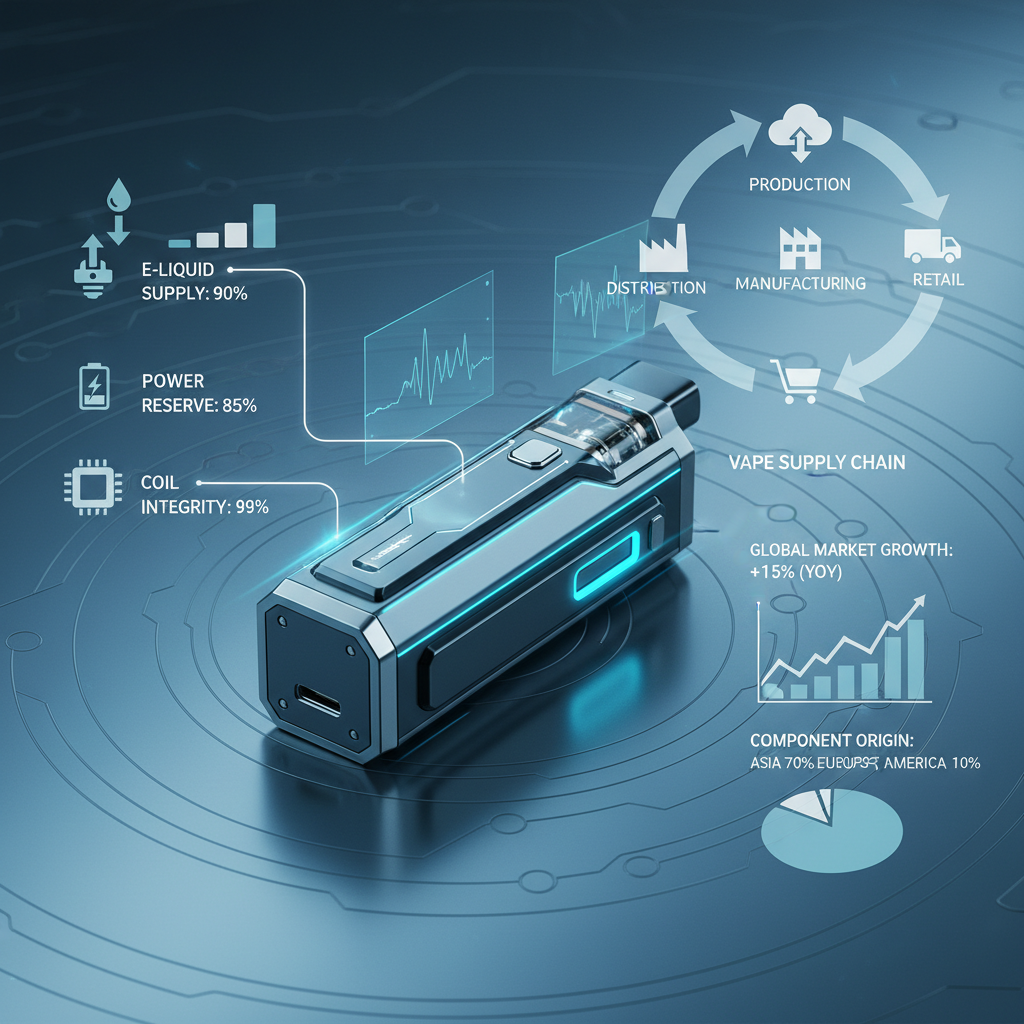
Vape supply encompasses the entirety of the process involved in getting vaping products from manufacturers to end consumers. This includes sourcing raw materials, producing e-liquids and hardware, warehousing, distribution, and finally, retail sales. A well-managed vape supply chain is vital for ensuring product quality, safety, and accessibility. It’s a dynamic system constantly adapting to evolving regulations and consumer demands.
Effective vape supply isn’t simply about logistics; it requires a deep understanding of the industry’s regulatory environment, quality control standards, and market trends. From the selection of nicotine sources to the design and manufacturing of vape devices, every step in the supply chain impacts the final product and the overall consumer experience. Building a robust and reliable vape supply network is paramount for businesses looking to thrive in this competitive market.
Defining Vape Supply
Vape supply can be defined as the comprehensive system responsible for sourcing, producing, distributing, and retailing all products related to vaping. This includes everything from the raw materials used in e-liquid production—like propylene glycol (PG), vegetable glycerin (VG), nicotine, and flavorings—to the manufacturing of vape devices, coils, batteries, and accessories. It also covers the logistical operations of moving these products from factories to distributors, retailers, and ultimately, to consumers.
Unlike traditional retail supply chains, the vape supply industry operates within a highly regulated environment. This necessitates stringent quality control measures, compliance with labeling requirements, and adherence to age verification protocols. The industry's connection to public health concerns adds another layer of complexity, demanding responsible sourcing, transparent manufacturing processes, and a commitment to preventing underage access.
The vape supply chain is also inherently global, with sourcing, manufacturing, and distribution often occurring across multiple countries. This international nature presents unique challenges, including navigating varying regulatory landscapes, managing tariffs and trade agreements, and ensuring ethical labor practices throughout the supply network.
Key Components of Vape Supply
Several core components underpin a successful vape supply operation. Firstly, Sourcing of high-quality raw materials is critical. This involves establishing relationships with reputable suppliers of nicotine, flavorings, and base liquids, ensuring purity and consistency. Secondly, Manufacturing requires sophisticated facilities and adherence to strict quality control protocols to produce safe and reliable vape devices and e-liquids.
Thirdly, Distribution encompasses the efficient movement of products from manufacturers to retailers, often involving warehousing, logistics management, and compliance with shipping regulations. Fourthly, Retail represents the final stage, where products are sold directly to consumers. Responsible retailers prioritize age verification, product education, and adherence to local laws.
Finally, Regulatory Compliance permeates every aspect of vape supply. Staying abreast of changing laws, obtaining necessary licenses, and implementing robust tracking systems are essential for legal and ethical operation. Maintaining a transparent and compliant supply chain builds trust with consumers and regulators.
Global Applications of Vape Supply
The vape supply chain operates on a global scale, connecting manufacturers, distributors, and retailers across continents. China is a dominant force in vape hardware manufacturing, supplying a significant portion of the world's devices. The United States and Europe are major markets for vape products, driving demand and influencing innovation. Other regions, such as Southeast Asia and South America, are experiencing growing demand as vaping gains popularity.
In post-disaster relief operations, vape products can sometimes offer a harm reduction alternative for smokers who may be facing stressful situations. While not a primary relief item, their availability can be a consideration. In remote industrial zones, where access to traditional tobacco products might be limited, a reliable vape supply can provide an alternative for workers.
Furthermore, the vape supply chain is essential for supporting research and development activities. Access to a wide range of components and materials enables innovation in device design, e-liquid formulations, and flavorings, driving continuous improvement within the industry.
Vape Supply Chain Efficiency Ratings
Advantages of a Streamlined Vape Supply
A well-optimized vape supply chain delivers numerous benefits. Reduced costs through efficient sourcing and logistics translate to competitive pricing for consumers. Improved product quality, stemming from rigorous quality control measures, enhances consumer satisfaction and builds brand loyalty. Increased responsiveness to market trends enables businesses to quickly adapt to changing demands and capitalize on new opportunities.
Furthermore, a streamlined supply chain enhances transparency and traceability, allowing for better tracking of products from origin to retail. This is crucial for ensuring compliance with regulations and addressing potential safety concerns. It fosters a stronger relationship between manufacturers, distributors, and retailers, creating a more collaborative and efficient ecosystem.
Future Trends in Vape Supply
The future of vape supply is poised for significant changes driven by technological advancements and evolving consumer expectations. We can anticipate increased automation in manufacturing and warehousing, leading to greater efficiency and reduced labor costs. The implementation of blockchain technology promises enhanced traceability and transparency throughout the supply chain, combating counterfeit products and ensuring product authenticity.
Sustainable sourcing and eco-friendly packaging will become increasingly important, driven by growing consumer awareness of environmental issues. The development of closed-loop systems for recycling vape devices and e-liquid containers will minimize waste and promote a circular economy. Personalized vaping experiences, facilitated by data analytics and customized e-liquid formulations, will also shape the future of the industry.
Expect to see increased integration of digital platforms for ordering, inventory management, and supply chain visibility. Utilizing AI and machine learning to forecast demand and optimize logistics will become standard practice. Ultimately, the future of vape supply will prioritize efficiency, sustainability, and consumer satisfaction.
Challenges and Solutions in Vape Supply
The vape supply industry faces numerous challenges. Counterfeit products pose a significant threat, undermining consumer trust and potentially endangering public health. Regulatory uncertainty and evolving laws create complexities for businesses operating across different jurisdictions. Ethical sourcing of nicotine and flavorings is an ongoing concern, requiring diligent due diligence and responsible supply chain management.
To address these challenges, industry stakeholders must collaborate on standardization efforts, establishing clear quality control protocols and authentication mechanisms. Investing in robust tracking and tracing technologies, such as blockchain, can help combat counterfeiting and ensure product integrity. Advocating for consistent and rational regulations is crucial for fostering a stable and predictable business environment.
Furthermore, prioritizing ethical sourcing practices, supporting sustainable manufacturing processes, and promoting responsible marketing can enhance the industry’s reputation and build long-term trust with consumers and regulators. Proactive engagement with policymakers and a commitment to transparency are essential for navigating the evolving landscape of vape supply.
Summary of Challenges and Solutions in Vape Supply
| Challenge |
Impact Level (1-10) |
Proposed Solution |
Implementation Cost (Low/Med/High) |
| Counterfeit Products |
9 |
Blockchain Tracking & Authentication |
Med |
| Regulatory Uncertainty |
8 |
Industry Advocacy & Standardization |
Low |
| Ethical Sourcing Concerns |
7 |
Supplier Audits & Certification |
Med |
| Supply Chain Disruptions |
6 |
Diversified Sourcing & Inventory Management |
Low |
| Quality Control Issues |
8 |
Enhanced Testing & Inspection Protocols |
Med |
| Lack of Transparency |
7 |
Digital Supply Chain Platforms & Data Sharing |
High |
FAQS
A resilient vape supply chain relies on diversified sourcing of raw materials, robust quality control measures throughout the manufacturing process, efficient logistics networks, and strong relationships with reliable distributors. Crucially, it also involves proactive risk management, including contingency plans for potential disruptions like natural disasters or regulatory changes. Maintaining adequate inventory levels and leveraging digital technologies for real-time tracking are also vital for resilience.
Ensuring ethical sourcing involves conducting thorough due diligence on suppliers, verifying their compliance with labor standards, and prioritizing suppliers who demonstrate a commitment to responsible agricultural practices. Regular audits and certifications can help assess and maintain ethical standards. Transparent supply chain mapping, allowing traceability from origin to finished product, is also essential.
Regulation plays a significant and complex role. Regulations govern everything from the manufacturing and labeling of vape products to their sale and distribution. Compliance with these regulations is crucial for legal operation and consumer safety. This includes age verification requirements, restrictions on advertising, and quality control standards. Navigating the constantly evolving regulatory landscape requires ongoing monitoring and adaptation.
Protecting against counterfeiting requires a multi-faceted approach. This includes implementing robust authentication measures, such as unique serial numbers and tamper-evident packaging. Utilizing blockchain technology for tracking and tracing can enhance transparency and verify product authenticity. Collaborating with regulatory agencies and industry partners to share information and combat counterfeiters is also crucial.
Several emerging technologies are transforming vape supply chain management. Blockchain offers enhanced traceability and security. Artificial intelligence (AI) and machine learning (ML) are used for demand forecasting and optimizing logistics. The Internet of Things (IoT) provides real-time visibility into inventory levels and shipment tracking. Automation in manufacturing and warehousing streamlines processes and reduces costs.
Sustainability challenges include the disposal of electronic waste from vape devices, the environmental impact of e-liquid production, and the packaging materials used in the supply chain. Addressing these challenges requires investing in recycling programs, developing eco-friendly packaging solutions, and adopting sustainable manufacturing practices. Promoting a circular economy, where materials are reused and repurposed, is essential.
Conclusion
In conclusion, a robust and well-managed vape supply chain is essential for ensuring product quality, safety, and accessibility within the rapidly evolving vaping industry. From sourcing high-quality raw materials to navigating complex regulations and embracing emerging technologies, success in this sector requires a holistic and proactive approach. Prioritizing ethical practices, sustainability, and transparency builds trust with consumers and fosters long-term growth.
Looking ahead, continued innovation in supply chain management will be crucial for addressing emerging challenges and capitalizing on new opportunities. Investing in advanced technologies, fostering collaboration among industry stakeholders, and advocating for responsible regulations will pave the way for a more efficient, sustainable, and consumer-focused vape supply ecosystem. For more information and to explore our wide range of vape supply options, visit our website today!